Now it’s Easter, everything revolves around the bunny. Hanne-Dina loves her hares and has redecorated a guest room as “the hare room”. Do you find it hare-raising? She drives out into the fields before sunrise to track down and photograph hares. Kb makes fun of Easter cards with kitschy bunnies, and bunnies are in advertising everywhere. The hare is frighteningly appropriated and hopelessly kitschified in our culture. What began with the ‘Bunny School’ (1924) for children, continued with the Playboy bunnies for adults, now finds its triumph in Lind’s golden chocolate bunny.
Nun haben wir Ostern, alles dreht sich um den Hasen. Hanne-Dina liebt ihre Hasen. Sie fährt vor Sonnenaufgang hinaus in die Felder, um Hasen aufzuspüren und zu fotografieren. Kb macht sich über Osterkarten mit verkitschten Hasen lustig und allerorten wird mit Hasen geworben. Der Hase ist erschreckend vereinnahmt und heillos verkitscht in unserer Kultur. Was mit der “Häschenschule” (1924) für Kinder begann, sich mit den Playboy Häschen für Erwachsene fortsetzte, findet heute seinen Triumph im goldenen Schokoladenhasen von Lind.
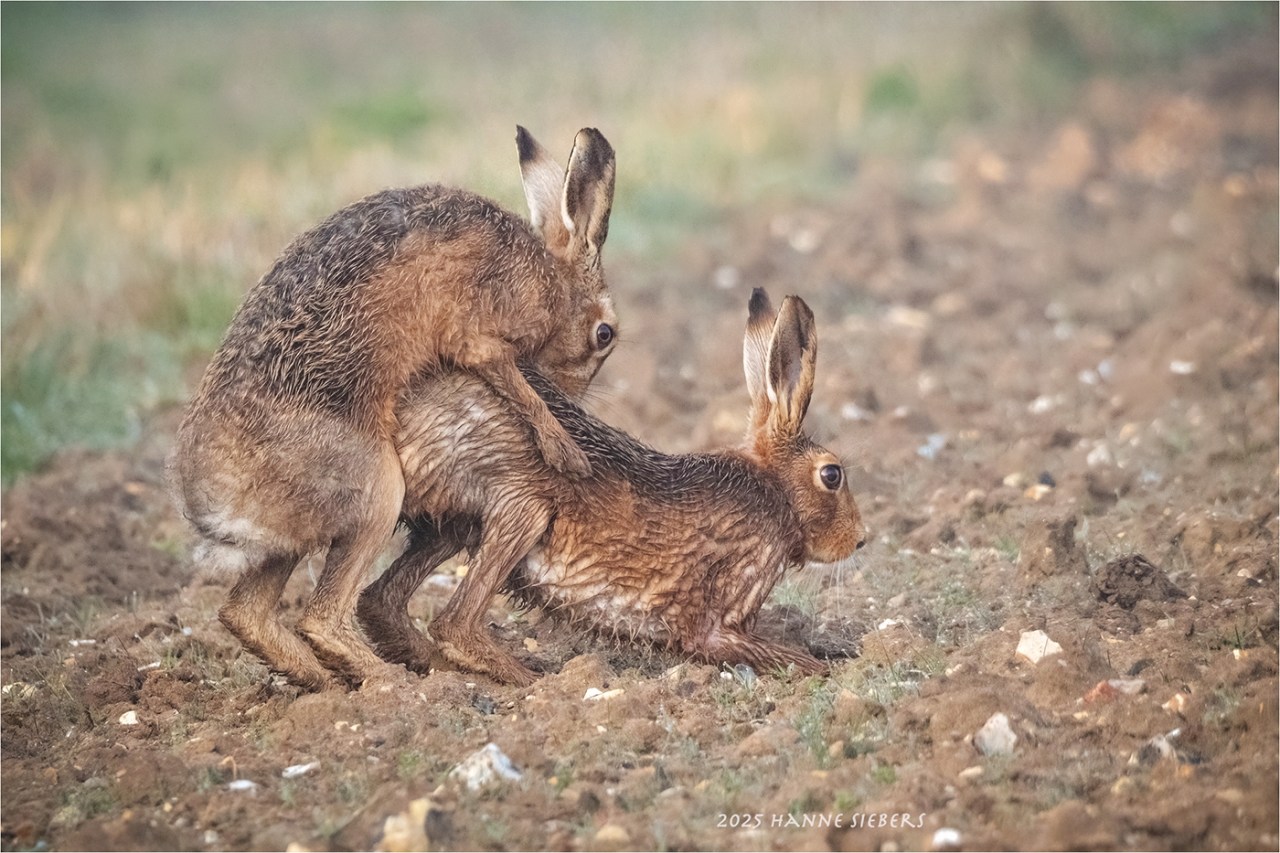
That’s not from the children’s book “The Bunny School”
The downfall of the hare is terrible. For centuries, the hare has been an honoured symbol of fertility because it is one of the first animals to give birth in spring. With up to 20 young a year, it is a very fertile mammal. Hares were therefore regarded as messengers and symbolic animals of the Germanic goddess of spring and fertility, Ostara. The painting of eggs, which the young bunnies learn at bunny school, can be traced back to her. Originally, the Easter eggs were painted pure red; the bunny children in the bunny school were probably not capable of anything different.
Die Fallhöhe der Bedeutung des Hasen ist fürchterlich. Seit Jahrhunderten war der Hase ein geehrtes Fruchtbarkeitssymbol, weil er ist eines der ersten Tiere ist, das im Frühling Nachwuchs bekommen. Mit bis zu 20 Jungen im Jahr ist er ein sehr fruchtbares Tier. So galten Hasen als Boten und Symboltier der germanischen Frühlings- und Fruchtbarkeitsgöttin Ostara. Auf sie ist das Bemalen der Eier zurückzuführen, was die Junghasen in der Häschenschule lernen. Ursprünglich wurden die Ostereier rein rot bemalt, zu mehr waren die Hasenkinder in der Häschenschule wohl nicht fähig.
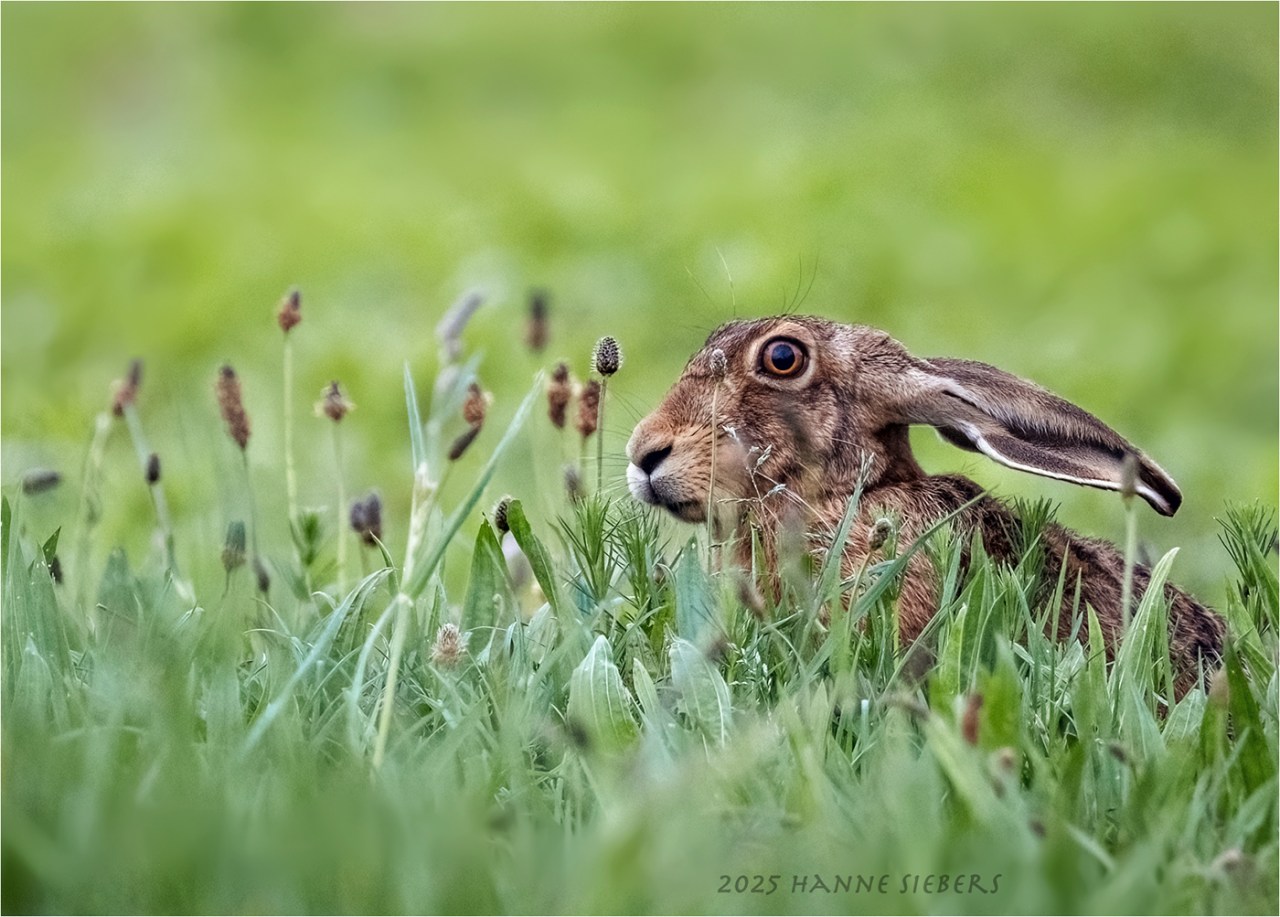
The hare needs protection. It is considered weak and fearful because it seeks its salvation in flight. In Arab countries, however, the hare is not only considered defenceless, it also offers protection, which is why amulets are carved from hare bones.
Despite its weakness, the hare is seen as a witchcraft animal in our countries. It was therefore regarded as negative in Christian cultures. In France, people would cross themselves if they came across a hare. In Turkey, it is still believed today that a rabbit’s head nailed to the door wards off the evil eye.
Der Hase braucht Schutz. Er gilt als schwach und ängstlich („Angsthase“, „Hasenfuß“), weil er sein Heil in der Flucht sucht. In arabischen Ländern allerdings gilt der Hase nicht nur als schutzlos, hier schenkt er auch Schutz, weswegen man dort Amulette aus Hasenknochen schnitzt.
Trotz seiner Schwäche gilt bei uns der Hase als Hexentier. Somit wurde er in christlichen Kulturen als negativ betrachtet. In Frankreich bekreuzigte man sich, wenn einem ein Hase über den Weg lief. In der Türkei ist man noch heute der Ansicht, dass ein an die Türe genagelter Hasenkopf den bösen Blick abwehre.
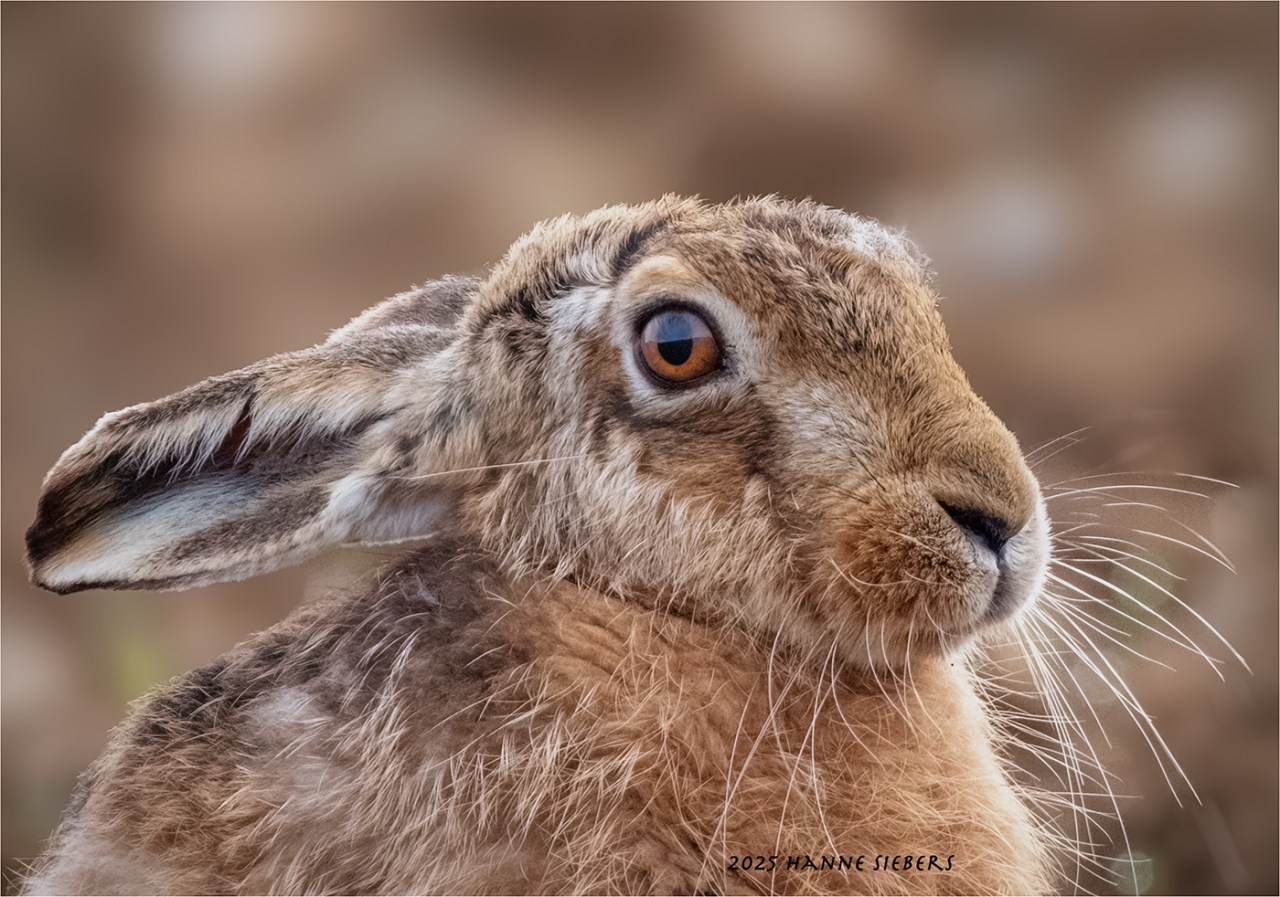
The most famous rabbit is Bugs Bunny, the cartoon rabbit. He embodies self-confidence, humour and cleverness. This character was developed for animated films in the USA at the end of the 1930s. It was a response to Mickey Mouse and the animated films by Walt Disney. Bugs Bunny films on American television had the highest viewing figures, and Bugs Bunny appeared in five Oscar-winning films.
Die berühmteste Hasengestalt ist Bugs Bunny, der Comic-Hase. Er verkörpert Selbstbewusstsein, Humor und Cleverness. Diese Figur wurde Ende der dreißiger Jahre in den USA für Trickfilme entwickelt. Sie waren eine Antwort auf Micky Maus und die Zeichentrickfilme von Walt Disney. Bugs-Bunny-Filme im amerikanischen Fernsehen hatten die höchste Einschaltquoten und Bugs Bunny trat in fünf Filmen auf, die mit dem Oscar ausgezeichnet wurden.
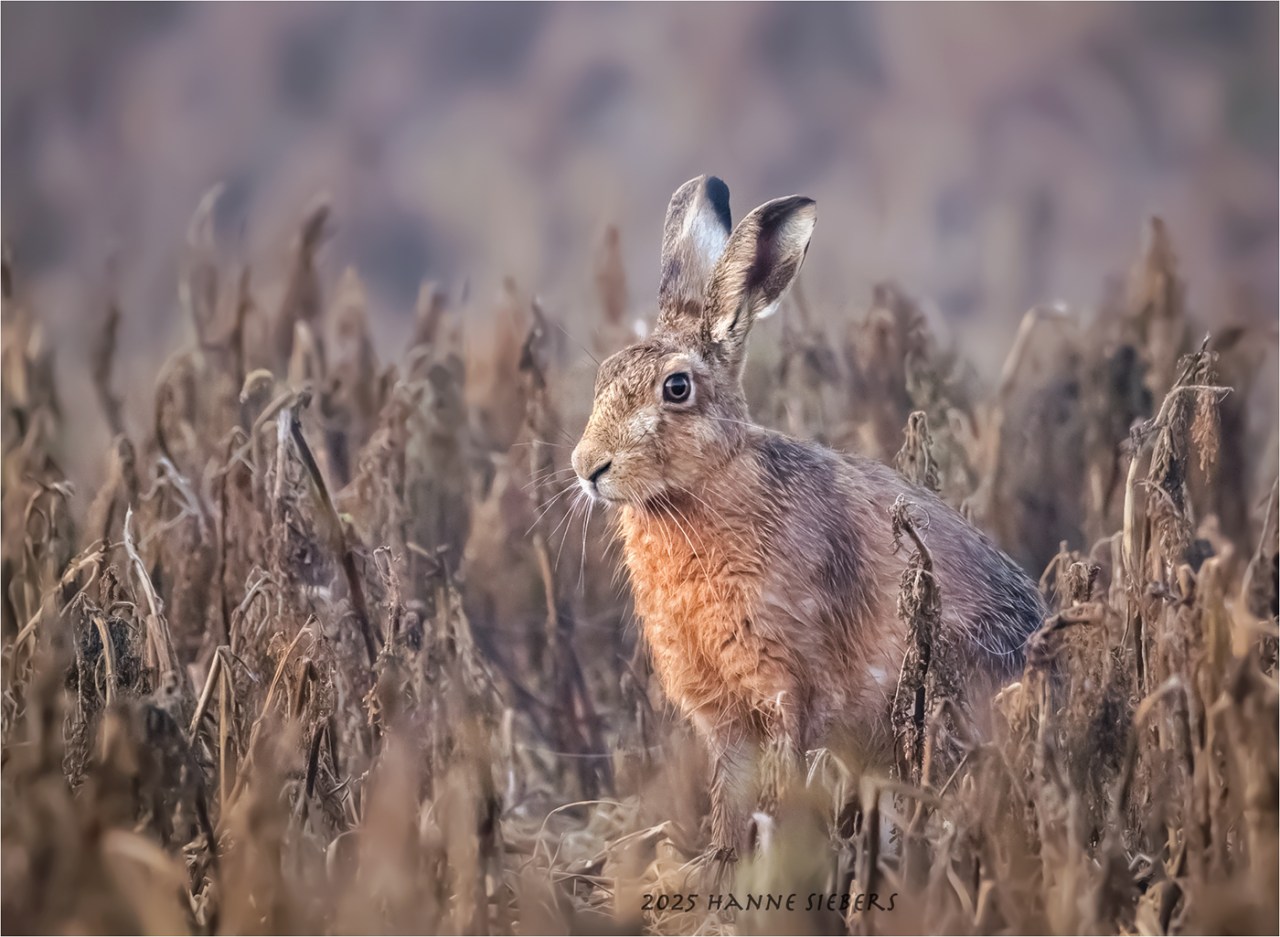
We’re keeping our fingers crossed that the Easter bunny brings you lots of delicious eggs.
The bunny brings eggs? How did this absurdity come about? Eggs, like the hare, are ancient symbols of fertility. Moreover, in the Middle Ages, eggs were not allowed to be eaten during Lent. At Easter, after Lent, they were boiled, painted and given as gifts.
The combination of hare and egg originated in German-speaking countries in the 17th century. Then, as now, children were told that rabbits would hide eggs. This gave rise to the custom of the egg hunt, which was later brought to America by German immigrants as a cultural asset exported duty unpaid.
Wir halten euch die Daumen, dass euch der Osterhase viele leckere Eier bringt.
Der Hase bringt Eier? Aber hallo, wie kam es denn zu dieser Absurdität? Eier sind wie der Hase uralte Fruchtbarkeitssymbole. Außerdem durften im Mittelalter während der Fastenzeit keine Eier gegessen werden. Zu Ostern, nach der Fastenzeit, wurden sie gekocht, bemalt und verschenkt.
Die Kombination von Hase und Ei entstand im 17. Jh. im deutschsprachigen Raum. Damals wie noch heute erzählte man den Kinder, dass die Hasen Eier verstecken würden. So entstand der Brauch der Eiersuche, der später von deutschen Einwanderern als unverzollt importiertes Kulturgut nach Amerika gebracht wurde
Happy Easter 🐰
Frohe Ostern wünschen
The Fab Four of Cley
🙂 🙂 🙂 🙂
© text and illustrations, Hanne Siebers & Klausbernd Vollmar, Cley next the Sea, 2025
 FabFourBlog
Such a lovely post!
Happy Easter to all of you 🐇💗
LikeLiked by 1 person
Thank you very much, dear Luisa 🙏 🙏 💜 💙
The Fab Four of Cley
🙂 🙂 🙂 🙂
LikeLiked by 1 person
You are truly welcome ❣️❣️❣️
It was a pleasure
LikeLiked by 2 people
Fab Four of Cley,
I wish all of the very best Easter has to offer for you. May your graciousness be rewarded.
GP
LikeLiked by 4 people
Dear GP
Thank you very much for your kind wishes. We wish you a wonderful Easter
The Fab Four of Cley
🙂 🙂 🙂 🙂
LikeLiked by 1 person
Thank you. 🐇✝
LikeLiked by 1 person
Hanne has excelled herself with the wonderful photos of hares. The close-ups are just outstanding, and should be entered into competitions under Nature Photography. I enjoyed reading the folklore and history of Hares too. Happy Easter to you all!
Love from Beetley, Pete. X
LikeLiked by 3 people
Thank you, dear Pete
Hanne entered some of her hare pictures in competitions and won prizes. Since March, she has regularly gone out early in the morning to photograph the hares around here. She just came back muddy and happy from photographing hares.
A lot of the folklore and symbolism is from my Dictionary of Symbols, which is unfortunately out of print now after many editions and extensions.
Love ❤ from the sunny 🌞 sea
The Fab Four of Cley
🙂 🙂 🙂 🙂
LikeLiked by 2 people
Wishing the Fab Four of Cley a very Happy Easter. I love the hare photos very much.
LikeLiked by 2 people
Thank you very much, dear Darlene. Wishing you a wonderful Easter.
The Fab Four of Cley
🙂 🙂 🙂 🙂
LikeLike
Hanne, I agree with Pete, you have excelled yourself with the hare photos. How wonderful! I’m so happy for you to have found a theme that you clearly love. It must be very rewarding getting up so early and venture out and then to have boxed the hares into your beloved camera.
I loved reading your post and learning more about the symbolism and the folklore of the hare. You’re a wealth of information, Kb! How are you getting on? Are you still wearing the boot?
Wishing you all a Happy Easter, take care.
Kram
Annalena xx
LikeLiked by 3 people
Dear Annalena, our dear friend
Indeed, Hanne has found her topic: hares. It seems to be rewarding for her to get up when the rest of us are nicely dreaming. She is lying in the hedges and loves it.
Kb likes to collect info about this and that. You know, he wrote two dictionaries of symbols. He had a big collection of dictionaries in his office. But he gave most dictionaries away, as you can get this info easily from the net – and he needed space for new books.
How is Kb getting on? These are the last days he has to wear this horrible boot. They lowered the sole of this boot so he can move around in the house quite easily, and he doesn’t have to wear that boot at night, which is a big help. In about a fortnight, the boot will be gone. He might has to practise walking again, but we don’t see this as a big problem.
Wishing you a wonderful Easter
The Fab Four of Cley
🙂 🙂 🙂 🙂
❤ ❤ ❤ ❤
LikeLike
Herrliche Hasenfotos, Hanne! Immer wieder unterhaltsam von Euch zu lesen.
Frohe Ostern und
LG U+H
LikeLiked by 1 person
Vielen Dank, liebe Uschi und lieber Herbert.
Frohe Ostern
The Fab Four of Cley
🙂 🙂 🙂 🙂
LikeLike
Gorgeous photos of the hares and such interesting facts about the mammals!
Happy Easter from me, very short as I’m boarding , will get back to you when from Svalbard.
Per Magnus xx
LikeLiked by 2 people
A wonderful Easter, dear Per Magnus, a great time on Svalbard
❤ ❤ ❤ ❤
The Fab Four of Cley
🙂 🙂 🙂 🙂
LikeLike
The images are just beautiful. Happy Easter to the Fab Four Of Cley 😁🐣🐇🐰
LikeLiked by 2 people
Thank you very much, dear Joe 🙏 🙏
The Fab Four of Cley
🙂 🙂 🙂 🙂
LikeLiked by 1 person
A very happy Easter to all of you. The photos are stunning. Even more so because here we don‘t see them very often anymore – and not so close anyway. Thanks for sharing them.
LikeLiked by 1 person
Thanks a lot 🙏 🙏
It’s very rural here on the north coast of Norfolk.
We wish you a wonderful Easter
The Fab Four of Cley
🙂 🙂 🙂 🙂
LikeLike
Have a wonderful Easter. Nevada has a Desert Hare, they seem to look just like the ones in your beautiful photos!!
LikeLiked by 2 people
Dear John
We don’t know, but probably the Norfolk hares and your desert hares are the same or at least a similar breed.
Wishing you a wonderful Easter
The Fab Four of Cley
🙂 🙂 🙂 🙂
LikeLiked by 1 person
Thank you, Klaus, you too! 🙏🏻
LikeLiked by 2 people
Very seasonal post. I’ve seen some of huge rabbits–I forget the species. They were massive!
LikeLiked by 1 person
Dear Jacqui
These are no rabbits but hares. They are bigger than rabbits and have longer legs, and there are some other differences we have forgotten. They are the same family. More info you find here https://www.rspca.org.uk/documents/1494939/7712578/Living+with+-+Rabbits+and+Hares.pdf/c72b465e-3c41-284c-5372-0ffdbc969997?t=1553271444297#:~:text=Hares%20and%20rabbits%20belong%20to,rodents%2C%20but%20“lagomorphs”.
Happy Easter
The Fab Four of Cley
🙂 🙂 🙂 🙂
LikeLiked by 1 person
I knew that (she says, looking away). Thank you for the link.
LikeLiked by 2 people
You are welcome
LikeLiked by 2 people
Tolle Hasenfotos! 😍 Ich freue mich immer, wenn ich auf dem Gelände der Klinik einen oder mehrere Feldhasen entdecke.
Ein schönes Osterfest wünsche ich euch.
Liebe Grüße, Susanne
LikeLiked by 2 people
Auch dir frohe Ostern, liebe Susanne.
Prima, dass dir Dinas Hasenbilder gefallen.
Alles Gute
The Fab Four of Cley
🙂 🙂 🙂 🙂
LikeLiked by 1 person
Vielen Dank. ❤️
LikeLiked by 1 person
Beautiful photos and fun post highlighting the silly appropriation of rabbits into cultural oddities and symbols of Easter!
LikeLiked by 1 person
Thank you very much.
The way of symbolism is sometimes very special. We like to follow these oddities.
Keep well, happy Easter
The Fab Four of Cley
🙂 🙂 🙂 🙂
LikeLiked by 1 person
Fabulous hare portraits. I’ve never been near enough to one to even hope for portraits like yours, even with a zoom lens.
LikeLiked by 1 person
Dear Margaret
It needs patience and knowing the places where the hares meet. Dina goes out very early, is lying in the hedges and waiting for the hares.
Wishing you a wonderful Easter
The Fab Four of Cley
🙂 🙂 🙂 🙂
LikeLiked by 1 person
Most definitely worth it. Thanks Dina: and a very happy Easter to the Fab Four!
LikeLiked by 1 person
Vielen Dank für die interessanten Informationen und die tollen Hasenphotos.
Frohe Ostern Euch allen.
Tanja
LikeLiked by 1 person
Liebe Tanja,
herzlichen Dank.
Auch dir frohe Ostern
The Fab Four of Cley
🙂 🙂 🙂 🙂
LikeLiked by 1 person
Vielen Dank!
LikeLiked by 2 people
‘Nicht dafür’, wie man im Norden Deutschlands sagt.
LikeLiked by 2 people
I saw one yesterday, but it was still white, even though the snow has been gone for a few weeks. I didn’t know the origins of easter egg hunts, so thanks for that story. Maggie
LikeLiked by 2 people
Hi Maggie
We saw white hares in the snow in January in the Cairngorms. As we have, unfortunately, hardly any snow here, our hares are brown.
Wishing you a wonderful Easter
The Fab Four of Cley
🙂 🙂 🙂 🙂
LikeLiked by 1 person
Thank you for the information on the hares and bunnys. I have always wondered about the bunny and egg connection. Thanks F4oC for clearing that up. Happy Easter to you.
LikeLiked by 3 people
Thank you, dear John 🙏 🙏
Happy Easter to you as well
The Fab Four of Cley
🙂 🙂 🙂 🙂
LikeLiked by 1 person
😊
LikeLiked by 2 people
Happy Easter to the Fab Four Of Cley. These portraits are stunning and wonderful stories.
LikeLiked by 2 people
Dear Amy
Thank you very much.
Wishing you Happy Easter as well
The Fab Four of Cley
🙂 🙂 🙂 🙂
LikeLiked by 1 person
Beautiful photos of Mr. Bunny.
Happy Easter!
LikeLiked by 1 person
Thank you very much, dear Anneli 🙏 🙏
Happy Easter
The Fab Four of Cley
🙂 🙂 🙂 🙂
LikeLiked by 1 person
So sweet ❤
LikeLiked by 1 person
Thank you
The Fab Four of Cley
🙂 🙂 🙂 🙂
LikeLike
Wonderful photos of wild-eyed hares. Happy Easter to you all xxxx
LikeLiked by 1 person
Thank you, dear Jo 🙏 🙏
Happy Easter
❤ ❤ ❤ ❤
The Fab Four of Cley
🙂 🙂 🙂 🙂
LikeLiked by 1 person
Die Hasenkopulation hast du nicht in video gezeigt, wohlweisslich.
Eine Cousine war ganz begeistert von dem Stakkato , so nach dem Motto : wenn schon, dann richtig.
LikeLiked by 1 person
Hanne war selbst völlig verblüfft, dass die Hasen vor ihren Augen munter kopulierten.
Liebe Grüße
The Fab Four of Cley
🙂 🙂 🙂 🙂
LikeLiked by 1 person
Thank you for the huge smile on my face this Easter Saturday morning! Absolutely loved the hare photos alongside everyone else . . . and also wish you a fun and happy holiday break!!!
LikeLiked by 1 person
Thank you so much, dear Eha.
We are happy that we could make you smile. We love to do this.
In Germany we have the custom of Easter walk. It was made famous by Goethe’s “Faust I”. We will have an Eastern drive through the country today.
Happy Easter
The Fab Four of Cley
🙂 🙂 🙂 🙂
LikeLiked by 1 person
Those are excellent photos of the hares. We have rabbits here but I’ve never seen a hare so it was nice to see them in photos. Thank you for the Easter history as well!
I hope you’ll all have a very happy Easter!
LikeLiked by 1 person
It takes quite some patience and field craft to get such pictures.
We’ll have an easy Easter, nice food and drinks and little excursions in the countryside.
Happy Easter
The Fab Four of Cley
🙂 🙂 🙂 🙂
LikeLiked by 1 person
Happy Easter to the Fab Four. With special wishes for KlausNernd and his leg… (Or is it ankle… where are my memory pills?)
LikeLiked by 1 person
Thank you very much. It’s Klausbernd’s left leg. But soon it will be okay again. Thank you for your kind wishes.
Happy Easter
The Fab Four of Cley
🙂 🙂 🙂 🙂
LikeLiked by 1 person
🙏🏻
LikeLiked by 2 people
★ ⁺. ⊹ . ⊹ ★ ⁺.
⊹ ★⁺.
(\_(\ /)_/)
( ) ( )
/ | | \
( O | | O )
LikeLiked by 2 people
Dear Cindy
We love your comment GREAT 👍 👍
🐰💫🌟✨🌟💫🐰
The Fab Four of Cley
🙂 🙂 🙂 🙂
LikeLiked by 1 person
Wonderful photos! Thank you for them, and the information, and Happy Easter to all of you.
LikeLiked by 1 person
Thank you, dear Audrey.
Happy Easter
The Fab Four of Cley
🙂 🙂 🙂 🙂
LikeLiked by 1 person
Wonderful captures and interesting information.
LikeLiked by 1 person
Dear Rupali
Thanks a lot.
Happy Easter
The Fab Four of Cley
🙂 🙂 🙂 🙂
LikeLike
Wunderschöne Bilder der auch von mir immer wieder mit Freude gesuchten Hasen in freier Natur sind das und auch das Video ist sehr interessant!
Liebe Grüße und auch ich wünsche euch von ganzem Herzen ♥️ noch wunderschöne friedvolle Ostertage 🌺🍀🕊
LikeLiked by 1 person
Liebe Hanne,
habe ganz herzlichen Dank.
Auch dir wünschen wir wunderschöne frohe sonnige Ostertage
The Fab Four of Cley
🙂 🙂 🙂 🙂
❤ ❤ ❤ ❤
LikeLiked by 2 people
Habt vielen Dank Klausbernd und Gang für die vielen spannenden und bebilderten Neuigkeiten betreffend den Hasen und Ostern!
Habt eine gute Zeit, aber esst nicht zu viele Eier, es scheint, dass
Sie mancherorts knapp und teuer werden!
L.G. Martina
LikeLiked by 1 person
Liebe Martina
zumindest heute haben wir gar keine Eier gegessen. Ob das noch morgen kommt, wer weiß?
Danke für deinen lieben Kommentar. Auch dir FROHE OSTERN 🐇🐰🐇
The Fab Four of Cley
🙂 🙂 🙂 🙂
LikeLiked by 2 people
what marvellous images of the hares!
LikeLiked by 1 person
Thanks a lot, dear Sue
Happy Easter
The Fab Four of Cley
🙂 🙂 🙂 🙂
LikeLike
Happy Easter to you, too. Love the bunnies.
LikeLiked by 1 person
Dear Ruth
Thank you very much 🙏
Wishing you a happy Easter as well 🐇🐰🐇
The Fab Four of Cley
🙂 🙂 🙂 🙂
LikeLiked by 2 people
❤️
LikeLiked by 1 person
Thanks for the great photos and info! Happy Easter!
LikeLiked by 1 person
Dear Terry
You are very welcome.
We wish you a wonderful Easter
The Fab Four of Cley
🙂 🙂 🙂 🙂
LikeLiked by 2 people
So much new information about hares to me and the photos are wonderful
LikeLiked by 2 people
Thank you very much, dear Ritva.
Have a GREAT Easter wishing you
The Fab Four of Cley
🙂 🙂 🙂 🙂
LikeLiked by 1 person
I read the caption of the first photo as “this is from the children’s book…” before I did a double-take and found the “not from the children’s book “The Bunny School.” 😂. The images of the wild hares in this post are magnificent, crisp, and natural – the last is my favorite. I think I’ve mentioned this before, but these photos of Dina remind me of my favorite childhood book, Watership Down, especially the last one. This post answers many questions I didn’t realize I had (such as why the rabbit and colored eggs are part of the Easter tradition!). But my favorite piece of trivia is learning that hares are the symbolic animals of the Germanic goddess, Ostara ~ pretty cool, and if I ever have a pet rabbit, I know what I will name her! Thank you all for the Easter wishes, and enjoy your weekend 🐇🐇🐇🐇!
LikeLiked by 2 people
Good morning, dear Randall
It took Hanne many days to get up early to take these photos. She lay in the hedges like the pheasants, waiting for the hares to come in the early morning. The hares are only active in the morning, later in the day they rest.
Easter is typical of Christianity. The Christians hardly ever produced their own symbolism and festivals, they took it all from other groups. Ostara (Eostre for the Anglo-Saxons) was a continental Germanic goddess; her festival was celebrated at the beginning of spring.
That at Easter eggs are hidden and have to be found is a custom started in Germany in the 17th century. Why that is, what it symbolises, I have no idea. Well, one could argue it’s one of the fertility rites. Eggs are connected with sex, and sex is usually hidden, but it’s celebrated in spring. – Anyway, Siri, Selma and I like to find out those things.
Thank you very much for your inspiring comment.
Happy holidays
The Fab Four of Cley
🙂 🙂 🙂 🙂
LikeLiked by 1 person
beautiful photography!
happy seasonal weekend to you all
💫✨🐇🐣🐥🐰🐥🐣🐇✨💫
LikeLiked by 2 people
Thank you very much, dear Graham 🙏 🙏
🐇💫✨🌟💫✨🐇
The Fab Four of Cley
🙂 🙂 🙂 🙂
LikeLiked by 2 people
💫🙇♂️😌🙏✨
LikeLiked by 1 person
Fascinating information on the hare – not hare-raising although the photos are absolutely hare-ific! (ie, terrific and mesmerizing). In my writing class a student wrote about the time he kept a rabbit’s foot in his pocket (never called a hare-foot). As a child I thought they were made of fake-fur but am told the originals were actually a real rabbit’s foot, dyed. I find THAT horrific.
Happy Easter to the Fab Four. Glad to read that the ‘boot’ is almost un-booted.
LikeLiked by 2 people
We know this belief as well, that a rabbit’s foot/hare’s foot brings good luck. One finds it all over the world. We suppose it has to do with fertility like all the Easter traditions. Fertility was good luck in the times when this custom started.
Thanks for liking Dina’s hare-ific photos 🙏
Happy Easter
The Fab Four of Cley
🙂 🙂 🙂 🙂
LikeLiked by 2 people
Gorgeous hare photos! Such adorable animals! The detail is amazing.There were some small wild rabbits that were frequent visitors in my back garden this Winter. They were foraging for seeds that fell out of the bird feeder. I only saw them at night so I wasn’t able to take any photos. Happy Easter to the Fab Four! 🙂
LikeLiked by 2 people
Dear Mermaid
thank you so much for liking Dina’s photos.
The problem with photographing hares is, they are inactive at day time. You can best see and photograph them early morning (when Siri, Selma and Kb are sleeping).
We wish you a wonderful Easter
The Fab Four of Cley
🙂 🙂 🙂 🙂
LikeLiked by 1 person
Stunning photography. Thank you for the cool information. Wishing you all a very Happy Easter!
LikeLiked by 2 people
A very happy Easter to you as well.
Thank you for liking our post. We liked to find out everything about the Easter Bunny.
All the best
The Fab Four of Cley
🙂 🙂 🙂 🙂
LikeLiked by 2 people
So schöne Fotografien. Apropos Hase: Ich kann das Buch “Hase und ich” von Chloe Dalton sehr ans Herz legen. Die Autorin erzählt, wie sie bei einem Spaziergang eines Tages einen einsamen Babyhasen entdeckt und ihn aufpäppelt. Ihr Leben wird komplett auf den Kopf gestellt, ihr Blick auf die Natur ändert sich. Sehr berührendes und lehrreiches Buch. Frohe Ostern!
LikeLiked by 2 people
Liebe Constanze
Wir haben dieses Buch (in Englisch) und Dina ist ein großer Fan dieses Buchs.
Danke für den Hinweis. Wir wussten gar nicht, dass dieses Buch auf Deutsch übersetzt wurde,
Mit lieben Grüßen vom sonnigen Meer
The Fab Four of Cley
🙂 🙂 🙂 🙂
LikeLiked by 2 people
Frohe Ostern Dina!
LikeLiked by 1 person
Astonishing photos Hanne.
LikeLiked by 2 people
Thanks, dear Jude 🙏 🙏
LikeLiked by 1 person
I learned much, here. Thank you. The bunny / hare photos are wonderful. This was a perfect Easter post.
LikeLiked by 1 person
Dear Jennie
Thank you very much. Great that you like our Easter post.
All the very best
The Fab Four of Cley
🙂 🙂 🙂 🙂
LikeLiked by 2 people
You are welcome! Best to the Fab Four.
LikeLiked by 1 person
Fabulous hare shots and bunny fun facts. Hope you had a lovely Easter.
LikeLiked by 2 people
Thank you 🙏 🙏 We had a fine Easter. It was sunny and warm, and we made nice trips into the countryside.
All the best to you
The Fab Four of Cley
🙂 🙂 🙂 🙂
LikeLiked by 2 people
Hello, I must admit, I did not know all this about the Easter Bunny or hares. I saw a wild hare in a game reserve in late February. It was quite large. The perfect size for predator bird dinners. Maybe that is why so many young are required.
LikeLiked by 2 people
Dear Roberta
We suppose you are right. They are a perfect dinner – for people too.
Keep well and happy
The Fab Four of Cley
🙂 🙂 🙂 🙂
LikeLike
That is true!
LikeLiked by 1 person
Interesting facts! Thanks for the post.
LikeLiked by 2 people
Thank you very much 🙏 🙏
Have a happy day
The Fab Four of Cley
🙂 🙂 🙂 🙂
LikeLiked by 2 people
Thanks!
LikeLiked by 1 person
Ich hoffe, Ihr hattet gute Ostern und es geht Dir Schritt für Schritt immer besser.
LikeLiked by 2 people
Liebe Belana Hermine,
wir hatten schöne Ostern. Es war sonnig und wir machten einige Ausflüge aufs Land.
Kb geht es nun deutlich besser. Dieser behindernde Stiefel kommt endlich ab. Er wird dann schnell wieder lernen normal zu laufen. Er macht jetzt schon eifrig seine Übungen.
Alles Gute wünschen wir dir
The Fab Four of Cley
🙂 🙂 🙂 🙂
LikeLiked by 2 people
Vermutlich fühlt man sich ohne dieses zentnerschwere Teil gleich wie ein junger Springinsfeld 🙂
LikeLiked by 2 people
Ja, da bin ich mir sicher 🙂
LikeLiked by 2 people
These are very good pictures of hares.
LikeLiked by 1 person
Thank you very much, dear Linda 🙏 🙏
Hanne loves hares.
Have a happy weekend
The Fab Four of Cley
🙂 🙂 🙂 🙂
LikeLiked by 1 person
A wonderful post full of Hanne-Dina’s iconic photographs. Klausbernd – you always give me something to think about. I agree – the bunny/hare has become limited over the years. Your thoughts on their cultural significance reminded me that these creatures are more than a chocolate symbol, a cute stuffed animal or a cartoon. Always a joy to stop by. Sending hugs to our dear friends The Fab Four of Cley.
LikeLiked by 2 people
Dear Rebecca
The hares seem to go back to an archetypal scheme, a structure, like the so called baby scheme, that is lovable. Therefore they are so much used in advertisement.
Thanks, dear Rebecca, for your kind comment.
With hugs & love from us
The Fab Four of Cley
🙂 🙂 🙂 🙂
LikeLiked by 2 people
Not being of German heritage, I didn’t know all this, so thank you for helping educate me. I’ve long loved bunnies. In fact, if not for the Monk, I’d probably have a pet bunny. However, the Monk feels it’s his job to chase every rabbit he sees. He’s fast, but they’re faster! I hope you had a lovely Easter and that Spring will arrive soon for you.
LikeLiked by 2 people
Hi Debbie
Thanks for commenting.
The symbolism of the Easter eggs and Easter Bunnies is more or less international nowadays.
All the best
The Fab Four of Cley
🙂 🙂 🙂 🙂
LikeLiked by 2 people
Easter is over but it’s not too late to enjoy this highly amusing post. From the very funny look on the hare peering over the title at the top to the very last sentence, you had my full attention. And what a delight your photos are! The mating hares took my breath away – so unexpected, so funny, and so thought-provoking with all its taboo status. The photo after that is my favorite – the down-low view is so true-to-life. The history of the egg hunt and the variety of cultural symbols are interesting, too. Thanks for a delightful post! A Belated Happy Easter to all four of you.
LikeLiked by 3 people
Good morning, dear Lynn
Thank you very much for your kind comment 🙏 🙏
Hanne-Dina loves her hares. She is a hare-whisperer. She gets up early in the morning, hiding in hedges, watching the hares.
Kb and our dear Bookfayries were astonished by how the hare is trivialised and used in advertisements.
We wish you a great May, a happy and healthy one
The Fab Four of Cley
🙂 🙂 🙂 🙂
LikeLiked by 1 person
Thank you, the same to FFoC!
LikeLiked by 2 people
Good close and detailed photographs!
LikeLike
I would like to recommend a beautiful book I read recently: Raising Hare by Chloe Dalton. I’m sure you will love it!
LikeLiked by 1 person