This is a folklore from the Norfolk Broads, an area full of waterways and lots of reeds. One of the protagonist is called Old Roger, a local name for the Devil. For the pirates he was the Jolly Roger, symbolised by their flag with white skull and crossbones.
Dies ist eine Volkssage aus den Norfolk Broads, einer Gegend voller Wasserwege und Schilf. Einer der Protagonisten heißt Old Roger, ein lokaler Name für den Teufel. Für die Piraten war er der Jolly Roger, symbolisiert durch ihre Flagge mit weißem Totenkopf und gekreuzten Knochen.
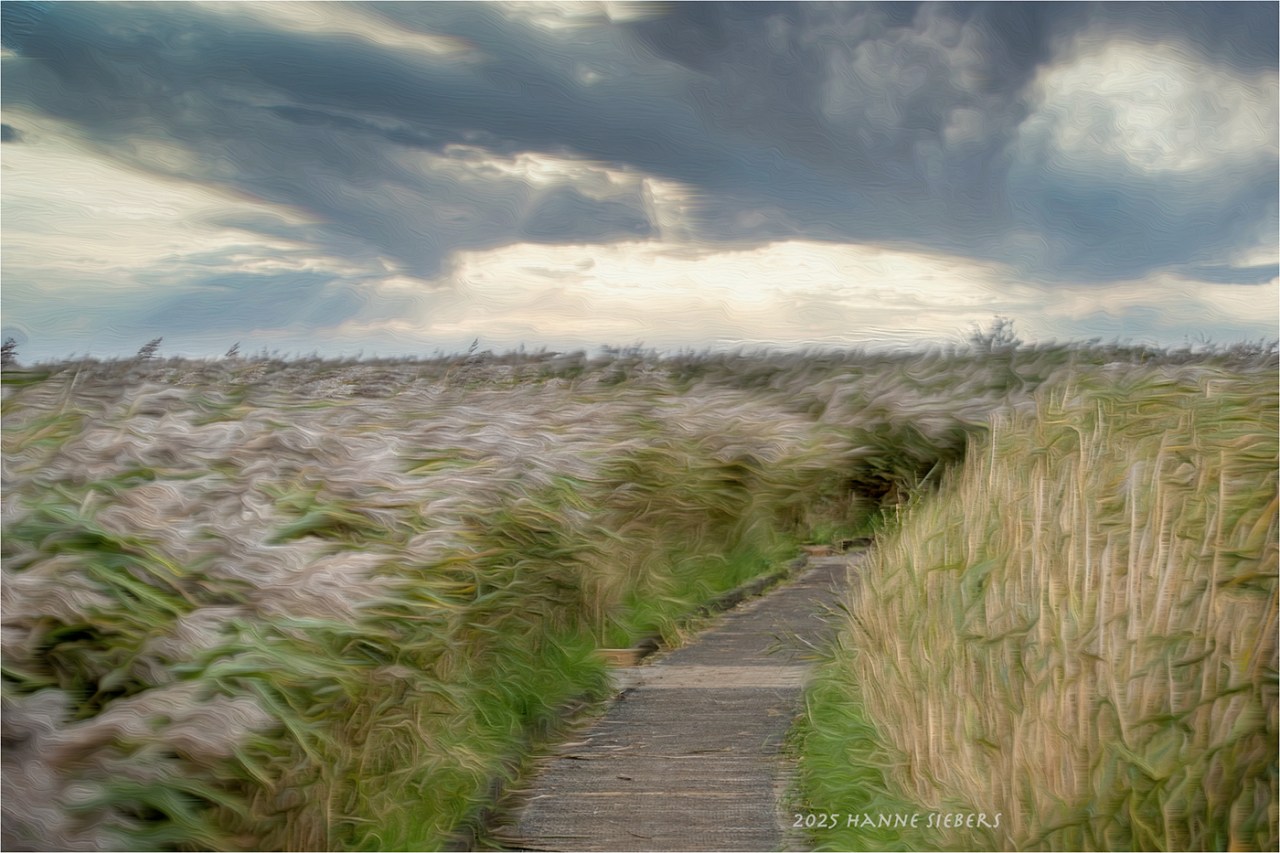
One fine morning, Old Roger, known more for fiery pits than potato pits, decided he was ready to enter the world of agriculture. Maybe he was bored of brimstone, maybe he just wanted some of the earthly harvest pie. So, he struck a deal with the Lord. Each year, one of them would get to choose either the top or the bottom half of whatever the humans planted.
Year One came.
Old Roger: “I will take the top half! The sun shines there! Surely that’s where the good stuff is.“
The Lord: “Very well. I’ll take the bottom.”
Eines schönen Morgens beschloss der alte Roger, der eher für seine Feuergruben als für seine Kartoffelacker bekannt war, dass er bereit war, in die Welt der Landwirtschaft einzusteigen. Vielleicht hatte er genug vom Schwefel, vielleicht wollte er einfach nur etwas von der Ernte auf der Erde abbekommen. Also schloss er einen Deal mit dem Herrn. Jedes Jahr durfte einer von ihnen entweder die obere oder die untere Hälfte von dem wählen, was die Menschen angebaut hatten.
Das erste Jahr kam.
Der alte Roger: „Ich nehme die obere Hälfte! Dort scheint die Sonne! Dort ist bestimmt das Beste.“
Der Herr: „Sehr gut. Ich nehme die untere.“
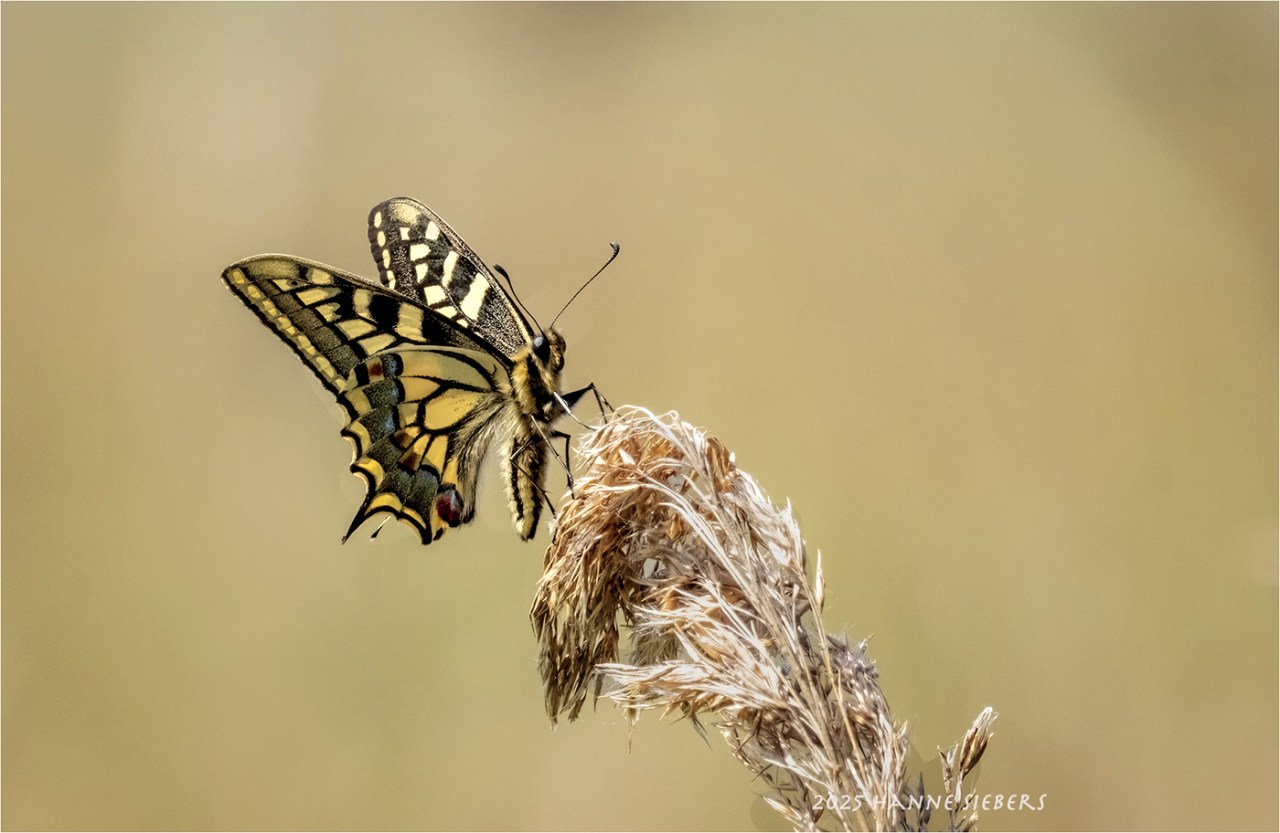
The farmers planted that year potatoes, carrots and other root vegetables.
You can almost hear Old Roger’s disappointed snarl echoing through history: “What is this green nonsense?”
Die Bauern pflanzten in diesem Jahr Kartoffeln, Karotten und anderes Wurzelgemüse.
Man kann fast hören, wie Old Rogers enttäuschtes Knurren durch die Geschichte hallt: „Was ist das für ein grüner Unsinn?”
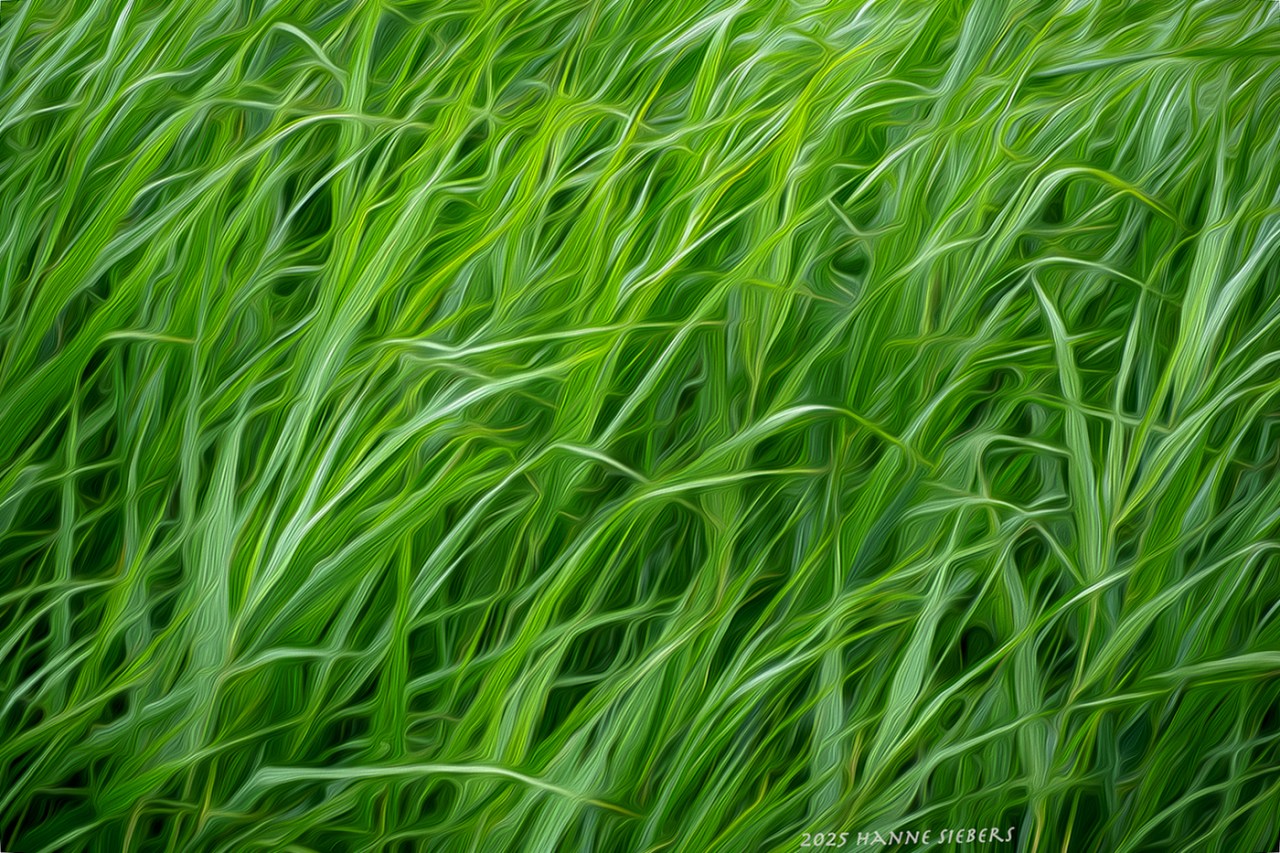
Having learned his lesson, Old Roger changed his mind.
“This time“, he growled, “I will take the bottom half.”
The Lord, with the divine equivalent of a poker face, took the top.
The farmers planted this year, wheat, rye and barley.
Old Roger ended up with dry, stringy roots. The Lord walked off with golden grain waving in the sun.
Nachdem er seine Lektion gelernt hatte, änderte der alte Roger seine Meinung.
„Dieses Mal“, knurrte er, „nehme ich die untere Hälfte.“
Der Herr nahm mit einem göttlichen Pokerface, das Siri uns Selma gerne gesehen hätten, die obere Hälfte.
Die Bauern pflanzten in diesem Jahr Weizen, Roggen und Gerste.
Der alte Roger blieb mit trockenen, faserigen Wurzeln zurück. Der Herr ging mit goldenem Getreide, das in der Sonne wogte, davon.
If you listened closely, you could hear the Old Roger’s pride cracking louder than thunder. Old Roger, smoke coming out of his ears, stomping across the countryside in a rage so fiery it could scorch the soil. He wandered into a field of reeds — tall, slender, whispering plants that had the misfortune of being in the wrong place at the wrong time.
Wenn man genau hinhörte, konnte man den gebrochenen Stolz des alten Roger lauter als Donner grollen hören. Der alte Roger, Rauch aus seinen Ohren strömend, stampfte in einer Wut über die Landschaft, die so heftig war, dass sie den Boden versengte. Er wanderte in ein Feld aus Schilf – hohe, schlanke, flüsternde Pflanzen, die das Pech hatten, zur falschen Zeit am falschen Ort zu sein.
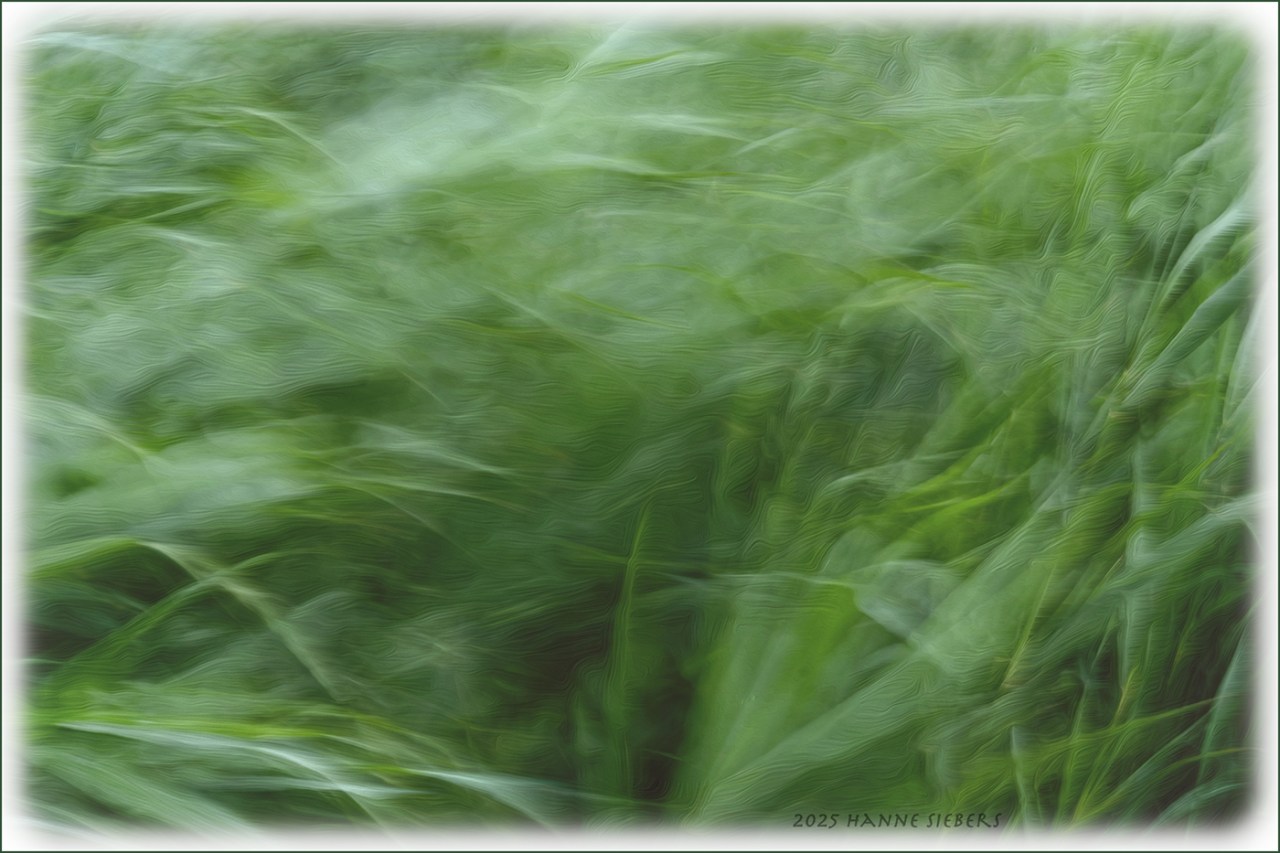
The sound produced by the vibrating reeds is often described as a whisper, rustle, or sigh, especially when multiple reeds are swaying together.
As the wind rustled through them, it sounded a lot like mockery. And that was just too much. So Old Roger, in a fit of temper, bit the reeds and cursed them
“You shall tremble forever, even when there’s no danger!”
Als der Wind durch sie raschelte, klang es sehr nach Spott. Und das war einfach zu viel. Also biss der alte Roger in einem Anfall von Wut auf die Schilfhalme und verfluchte sie
„Ihr sollt für immer zittern, auch wenn keine Gefahr besteht!“
From that day on, reeds have shivered at the slightest breeze. Not because they’re cold. Not because they’re afraid. But because Old Roger lost the farming contest and bit into the stalks. If you look closely you can still see where .
Seit diesem Tag zittern die Schilfhalme bei jedem noch so leichten Windhauch. Nicht weil ihnen kalt ist, nicht weil sie Angst haben. Sondern weil Old Roger den Landwirtschaftswettbewerb verloren hat und in die Halme gebissen hat. Wenn ihr genau hinschaut, könnt ihr noch sehen, wo.
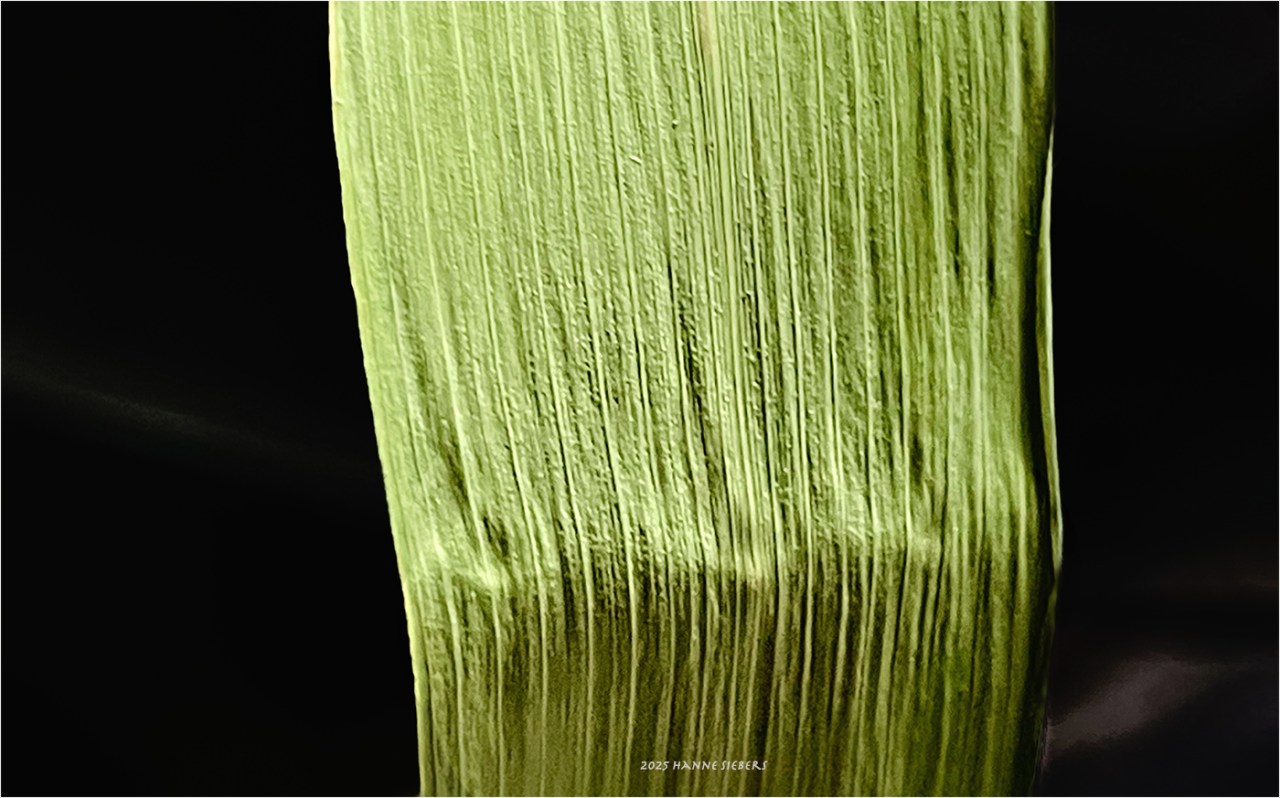
The moral of this story (as every Christian story is moralistic)
Be careful what deals you make and don’t bite plants. They remember.
At least this is what Siri and Selma learned from this old folklore. And what did you learn from it?
Die Moral dieser Geschichte (denn jede christliche Geschichte ist moralisch)
Sei vorsichtig, welche Abmachungen du eingehst, und beiß nicht in Pflanzen. Sie merken sich das.
Das zumindest haben Siri und Selma aus dieser alten Volkssage gelernt. Und was lerntet ihr?
With best regards from the whispering reeds
Mit herzlichen Grüßen vom flüsternden Schilf
The Fab Four of Cley
🙂 🙂 🙂 🙂
© text and illustrations, Hanne Siebers & Klausbernd Vollmar, Cley next the Sea, 2025
 FabFourBlog
Since living things have life, I think they can feel, so as reeds. This is an interesting story, Klausbernd.
LikeLiked by 2 people
Thank you very much, dear Hazel.
We live in a county full of reeds.
Great that you like this local folklore
The Fab Four of Cley
🙂 🙂 🙂 🙂
LikeLiked by 1 person
It’s my pleasure, klausbernd. Enjoy the rest of your day!
LikeLiked by 1 person
Thank you, dear Hazel.
Now life is easier again as the heat wave is gone. We have normal summer temperatures since this morning.
The Fab Four of Cley
🙂 🙂 🙂 🙂
LikeLiked by 1 person
Fun folk tale, Klaus. With a bit of a “humble yourself in the sight of the Lord” reminder to it.
LikeLiked by 1 person
Dear Mitch
Thank you for commenting. To be humble is often the message of folk tales, isn’t it?
All the best
The Fab Four of Cley
🙂 🙂 🙂 🙂
LikeLiked by 1 person
My dear friends,
what a lovely write-up and gorgeous photos as ever, Hanne. Isn’t that a remarkable butterfly, so pretty! I have never seen a Swallowtail butterfly, please take me to the Broads and show me the next time I come.
I can sense the folkloric feel to the swaying reeds and the sounds it produces: It makes that haunting whispering sound in the wind and I loved our walk in the Cley Reserve listening to as it was recorded. It is something I associated with thresholds — water/land, wild/domestic —
it’s echoing your legend beautifully.
I hope you can all cope with current heatwave in East Anglia.
Stay cool, hydrated and healthy.
Stor kram,
Annalena xx
LikeLiked by 1 person
Dear Annalena
Next time you are here we try to show you this relatively big butterfly, the Swallowtail. We’ll go into the reed beds, we love it. It’s a world of its own.
The reed is still harvested here and quite often sent to the Netherlands and Germany for thatching. We love thatched cottages.
We hope that the heat wave is gone now. Today is the first day with normal summer temperatures. We don’t like it when it is too warm and sunny. But with global warming we’ll get more of these heat waves.
When it was too hot we staid in our house und drank a lot of water with a bit of cucumber in it. Nice!
Did you had such a heat wave in Sweden as well?
We suppose in your summer house at the lake it was bearable.
KRAM 🤗 🤗 🤗 🤗
xxxx
The Fab Four of Cley
🙂 🙂 🙂 🙂
LikeLiked by 1 person
Thankfully, it’s not quite so hot here.
I wonder why don’t you get to see the Swallowtail in Cley?
There are so many reedbeds in your part of the world!
Kram
Annalena xx
LikeLiked by 1 person
Now we saw it! 🙂
LikeLike
Ihr Lieben, die Folklore Geschichte ist wunderfein und so sind Hanne’s Fotos.
LG U+H
LikeLiked by 1 person
Danke, liebe Uschi 🙏 🙏
Kb sammelt ja solche Volkserzählungen, da sie viel über Symbolik verraten.
Toll, dass dir Hanne-Dinas Fotos gefallen.
Alles Gute
The Fab Four of Cley
🙂 🙂 🙂 🙂
LikeLike
I had never heard of this old folk-tale so thank you for the education. And of course for the beautiful photos that accompany it.
Love from Beetley, Pete. X
LikeLiked by 1 person
Dear Pete
Indeed, that’s not such a known folk-tale. But when Siri researched it, she found out that similar tales were told all over Europe.
Thank you for liking Dina’s photography.
We hope you survived this heat wave well. We had to go to Wells yesterday, wow, it was hot there. People went from spots of shade to spots of shade. Now we have normal temperatures here at the coast.
With lots of love from us all
The Fab Four of Cley
🙂 🙂 🙂 🙂
LikeLiked by 1 person
It is still very humid down in Beetley, and 28C currently. I am looking forward to it cooling down from tomorrow. 😊
LikeLiked by 1 person
Dear Pete
We have 22 degrees right now. That feels quite cold after the heat yesterday.
I cleaned our sauna in the garden which made me sweating as I would have been in a hot sauna. So I suppose that it is quite humid here as well.
Keep cool 😉
The Fab Four of Cley
🙂 🙂 🙂 🙂
LikeLiked by 2 people
The German verb beißen is pronounced about the same as the English noun bison. That got me to thinking that if one shouldn’t bite plants, then certainly one shouldn’t beißen a bison.
LikeLiked by 1 person
Dear Steve
😂😂🤣🤣
Well, you should never beißen a bison.
Thanks and Cheers
The Fab Four of Cley
🙂 🙂 🙂 🙂
LikeLike
Great story. I have always wondered where Joly Rodger came from.
LikeLiked by 2 people
Thank you, dear David.
We didn’t know that before.
All the best
The Fab Four of Cley
🙂 🙂 🙂 🙂
LikeLiked by 1 person
I posted a photograph some years ago of my wife weeding in the garden, in that bent over pose we so often assume while at that work. A friend, who lives in Norfolk, said it reminded him of childhood and the seasonal workers who came to work on the farm and who struck the same pose. They were known locally as “Arse-ups”
LikeLiked by 2 people
Dear Paddy
Great! This reminds us of our visits to Sissinghurst. There is a framed sketch of Vita Sackville-West in the “arse-up”-position in the garden by her husband Harold Nicolson. His comment: That’s what I see of my wife when she is in the garden.”
We love your info about what the seasonal workers here were called. We didn’t know that.
Thank you very much
The Fab Four of Cley
🙂 🙂 🙂 🙂
LikeLiked by 2 people
Local expressions are often very amusing.
LikeLiked by 1 person
Selma has a big collection of special local expressions. She helps Kb with it as they are important for symbolism.
LikeLike
Excellent photography by Hanné, love the sense of movement in the reeds.
LikeLiked by 2 people
Thank you so much, dear Fraggle 🙏 🙏
The reeds are like the sea, they are always moving.
Keep well
The Fab Four of Cley
🙂 🙂 🙂 🙂
LikeLiked by 1 person
Wonderful photos and entertaining story!
LikeLiked by 2 people
Thank you very much 🙏 🙏
We wish you a happy day
The Fab Four of Cley
🙂 🙂 🙂 🙂
LikeLiked by 1 person
This tale is a good one, and new to me. Beautifully illustrated, as we expect from you!
LikeLiked by 3 people
Dear Margaret
Thank you very much. When we heard this folk-tale for the first time just recently Hanne-Dina immediately started to photograph reeds. We have reeds here everywhere and reed is special because it always moves like the sea.
Keep well
The Fab Four of Cley
🙂 🙂 🙂 🙂
LikeLiked by 2 people
An excellent excuse for these lovely photos.
LikeLiked by 2 people
It’s strange, we always need excuses. Why?
LikeLiked by 2 people
Why indeed!? bBu so glad you showed these shots, for whatever reason
LikeLiked by 2 people
… and if it’s only that we like them
LikeLiked by 1 person
Thank you so much for sharing this beautiful legend/parable, and its important moral.
LikeLiked by 2 people
You are very welcome, dear Luisa.
All the best
The Fab Four of Cley
🙂 🙂 🙂 🙂
LikeLiked by 1 person
Thanks a lot for your kind reply 🤗
LikeLiked by 1 person
Gorgeous images, as usual!
LikeLiked by 2 people
Thank you very much, dear Marie 🙏 🙏
The Fab Four of Cley
🙂 🙂 🙂 🙂
LikeLiked by 1 person
Very enjoyable. God, as usual, was much smarter than his adversary.
LikeLiked by 3 people
Dear Jacqui
God is always Superman in such Christian stories. He is the hero who never fails, an ideal that has nothing to do with reality. Well, it’s fiction. In a way it’s the same plot structure like in the westerns.
We wish you all the very best
The Fab Four of Cley
🙂 🙂 🙂 🙂
LikeLiked by 1 person
Oooh, I like that tie in to Westerns, Klausbernd.
LikeLiked by 1 person
I thought so
Kb
LikeLiked by 1 person
My dear friends in the hot reed county. How are you?
I loved the story and very much enjoyed Hanne’s photos.
You weave together legend and landscape to create something beautifully symbolic, atmospheric and layered with meaning.
Boundaries are places of power in folklore.
A perfect whisper of a story long passed down, told by the wind in the hollow stem.
Sending you hugs
Klem
Per Magnus
LikeLiked by 2 people
Good afternoon, our dear friend Per Magnus
Legends and pictures are quite similar, both are a symbol for reality. Both convey faith in fake. I became aware of it after reading an old edition of articles by Umberto Eco. The lord as hero and the picture are both not the real thing, they are fiction. But we love to believe in fiction. Do we rather believe in fiction than in reality?
Anyway, we really love the real thing as well, the whisper of the reeds, their constant movement.
It’s a pity that you are not around. It would be great to discuss this faith in fake more.
Keep well
KLEM
The Fab Four of Cley
🙂 🙂 🙂 🙂
LikeLiked by 2 people
Yes, it would be great to catch up with you all in person soon. I’ll give you a ring at the weekend and we can discuss when it’s convenient for you.
Don’t you think faith in fake is the paradox of belief: humans need belief, and will even knowingly suspend disbelief to find meaning.
I admire Banksy for the way he uses visual irony to challenge what people take as “true” or “real” in society.
Enjoy summer in Cley.
Klem
Per Magnus x
LikeLiked by 1 person
Dear Per Magnus
Yes, we think so. Humans need believe and they try to see what they believe at any price. That’s a kind of rationalisation. Truth is what people believe. The will to believe is stronger than the realisation of reality. Unfortunately 😦
The Fab Four of Cley
🙂 🙂 🙂 🙂
LikeLike
An excellent tale, well told, Fab 4. I shall ponder on it when I next dig up some potatoes 🙂
LikeLiked by 2 people
Thank you, dear Tish
Wishing you a big harvest – over and under the ground.
Keep healthy and happy
The Fab Four of Cley
🙂 🙂 🙂 🙂
LikeLike
Thanks for those good harvest wishes, Klausbernd.
LikeLiked by 2 people
I like folk tales, especially when they are so well illustrated.
LikeLiked by 2 people
Dear Rebecca
Thank you very much.
Folk tales as well as fairy tales influenced modern literature quite a bit. Their magic is that they are build of archetypes, and they have often quite a simple plot design.
All the best
The Fab Four of Cley
🙂 🙂 🙂 🙂
LikeLiked by 1 person
Ihr Lieben in Cley, mir scheint es wichtig die Fassung nicht zu verlieren! I really enjoyed Dina’s pictures. Many thanks:)
LikeLiked by 2 people
Liebe Martina
Ganz liebe Grüße vom Meer. Hier ist seit heute Morgen die Temperatur wieder angenehm.
Toll dass dir Dinas Bilder gefallen.
Mach’s gut, halte dich gesund
The Fab Four of Cley
🙂 🙂 🙂 🙂
LikeLike
👍🌾🌻
LikeLiked by 1 person
Beautiful photos, as always!
LikeLiked by 2 people
Thank you 🙏 🙏
LikeLike
Thank you for sharing a traditional fable, Klausbernd. We continue to learn from them.
LikeLiked by 2 people
Dear Mary
Yes, we can still learn from them because they are based on archetypes.
Thank you
The Fab Four of Cley
🙂 🙂 🙂 🙂
LikeLiked by 1 person
Oh I love this, especially the part about not biting plants as they remember. Nature always wins.
LikeLiked by 2 people
Hi Linda
Well, we hope so. But if that would be true we wouldn’t need conservation. We think nature needs our help. And we shouldn’t bite plants!
Keep well
The Fab Four of Cley
🙂 🙂 🙂 🙂
LikeLiked by 1 person
Haha, great story, and a good lesson. I’ll remember it when I next see the quivering reeds 😊 Maggie
LikeLiked by 2 people
Thank you very much, dear Maggie. And have a look, you can still see where Old Roger bit.
Thanks and Cheers
The Fab Four of Cley
🙂 🙂 🙂 🙂
LikeLike
Thanks for sharing this! I’ll remember it now, each time I see grasses bending in the breeze!
LikeLiked by 1 person
Dear Terry
Thank you very much 🙏 🙏
Wishing you a wonderful rest of the week
The Fab Four of Cley
🙂 🙂 🙂 🙂
LikeLiked by 1 person
Fab Four of Cley,
Great story and I think Siri & Selma will remember that tale and repeat it for their own children. I took away, be grateful for what you’ve got.
Have a wonderful week.
GP
LikeLiked by 1 person
Dear GP
Siri and Selma will surely tell that tale to their children. They like telling tales.
It’s amazing how many meanings we can see in such a tale. That’s probably possible because it’s based on archetypes.
Thanks a lot.
We wish you a wonderful week as well.
The Fab Four of Cley
🙂 🙂 🙂 🙂
LikeLiked by 1 person
I thought of a few more after I commented. The story stayed with me.
GP
LikeLiked by 1 person
I have the feeling that a good story always has many meanings. These folk tales are often simple and complex (multi-layerd) at the same time.
Klausbernd 🙂
LikeLiked by 2 people
😂..dass es bei euch wunderschöne Schwalbenschwänze gibt, denen die Sage nichts ausmacht! Das Schilf zittert und vermehrt sich dennoch, hat seinen festen Halm und biegsam dazu… Normalerweise ist es wohl leichter zitterndes Schilf zu fotografieren als den flatterhaften Falter!
Toll aufgenommen und fein humorig erzählt!
Liebe Grüße,
SyntaxiaSophie
LikeLiked by 1 person
Liebe Sophie
habe herzlichen Dank.
Da hast du wohl recht, so flatterhafte Falter lassen sich schwieriger fotografieren als zitterndes Schilf. Dieses zitternde Schilf aus Norfolk ist besonders gut für Dächer geeignet. Es wird geerntet und in die Niederlande und nach Deutschland exportiert. Hier gibt es leider nur noch wenige Ried gedeckte Häuser.
Mit herzlichen Grüßen
The Fab Four of Cley
🙂 🙂 🙂 🙂
LikeLike
Lovely story, I didn’t know that at all. The pictures are perfect with the story, my favourite the beautiful butterfly.
Thank you, have a lovely July. Greetings from hot London.
LikeLiked by 1 person
Dear Ute
Today dropped the temperature quite drastically. It’s raining and we just have 15 degrees. We love it after this heat wave.
We are happy that you like our tale and Dina’s pictures. We live here surrounded by reeds. But this swallowtail butterfly is rare.
We wish you a happy July
The Fab Four of Cley
🙂 🙂 🙂 🙂
LikeLiked by 1 person
A very interesting folk tale. Accompanied by Hanne’s lovely photos. What a beautiful butterfly. I have never seen a swallowtail in the wild. Sadly I haven’t seen many butterflies this year.
LikeLiked by 1 person
Good afternoon, dear Jude
This swallowtail butterfly is rare here as well. And we have less butterflies in the last years than before. But a couple of days ago we were out with the boat and hundreds if not thousands of white butterflies came in over the sea. They came from the continent we were told. It was magic being surrounded by white butterflies. It was the first time we experienced this. It was a bit like heavy snowfall.
Thanks and wishing you a wonderful July
The Fab Four of Cley
🙂 🙂 🙂 🙂
LikeLiked by 1 person
That sounds like an amazing experience. I usually have lots of white butterflies here, but even they are missing this year. Maybe some will migrate down here from the east.
LikeLiked by 1 person
There were big and small ones, all were white. We suppose that were pieris brassicae and pieris rapae. But we are not good with identifying butterflies.
LikeLike
Oh Klausbernd!!! What a delightful and spirited telling of Old Roger and the Reeds! I LOVED the humor and rhythm of the story—so full of wit, irony, and the quiet magic that lives in folklore. It’s remarkable how tales like this, passed down through generations, carry both amusement and meaning in equal measure. What I especially find remarkable is how this story brings the cosmic struggle in the humble vegetable patch—sunshine and soil as the playing fields of wisdom and folly. It reminds me that even the most powerful figures in myth and legend are not above seeking victory even in small areas. I believe that folklore like this keeps the landscape alive. Thank you for sharing such a wonderful piece of cultural storytelling—it’s a joy to travel these imaginative paths with you. Sending much love and many hugs to our dear, dear friends, The Fab Four of Cley.
P.S. Hanne-Dina – your photography is truly amazing.
LikeLiked by 1 person
Good afternoon, dear Rebecca
These folk tales are based on archetypes and they are grounded, down to earth. We suppose that makes their magic and that lets them survive the ages. And, as you write, they are entertaining and amusing. That’s all what a good story needs. Their structure is easy, there is a clear good and evil and a happy end as the good wins and there is schadenfreude (malicious joy) that evil loses. It’s the power of simplicity.
In former times, these folk tales were illustrated with wood cuts or sometimes with drawings. Hanne-Dina gave the illustrations a modern touch that stayed simple and down to earth like that tale.
We say ‘thank you very much‘ to our dear Canadian friends and sending hugs 🤗 and XXXX love ❤ ❤ to Vancouver
The Fab Four of Cley
🙂 🙂 🙂 🙂
LikeLiked by 1 person
A great story, F4oC. I like the name Old Roger. Well done.
LikeLiked by 1 person
Thank you very much, dear John.
Warm greetings from Norfolk
The Fab Four of Cley
🙂 🙂 🙂 🙂
LikeLiked by 1 person
Holiday?
LikeLiked by 1 person
In a way we always have a holiday, dear John. That’s the blessing of our age.
LikeLiked by 1 person
So true, Klausbernd. 😊
LikeLiked by 1 person
A charming reminder that even the Devil can be outwitted by a bit of root vegetable wisdom! 😀
LikeLiked by 1 person
Indeed!
The charm of the vegetable wisdom, we like this expression 👍
Thanks and cheers
The Fab Four of Cley
🙂 🙂 🙂 🙂
LikeLike
What a good story to go with those beautiful photos! It’s always a joy to see that you have a new post, because I never know what I’ll learn, but I always know I’ll admire the photos.
janet
LikeLiked by 1 person
Dear Janet
That’s an old tradition to combine the text of the folk tales with illustrations. It were mostly woodcuts or simple drawings. Hanne-Dina made it a bit more modern with her photography but stayed simple and down to earth.
It’s an old story presented in a modern way without changing their essence.
Thanks for your comment
The Fab Four of Cley
🙂 🙂 🙂 🙂
LikeLike
I learned that I like the notion of the “divine equivalent of a poker face.” 😊
LikeLiked by 1 person
Yes, dear Tanja, Kb had to laugh out loud when he found this expressions. It’s the writer’s luck to find such expressions; they just come out of the blue. That’s the kiss of the muse.
Thanks and cheers
The Fab Four of Cley
🙂 🙂 🙂 🙂
LikeLiked by 1 person
Wishing you (and us) more muse kisses! 😊
LikeLiked by 1 person
🙂 🙂 🙂 🙂
LikeLiked by 1 person
Beautiful photos I learned God is good at poker!
LikeLiked by 1 person
Thanks, dear Cindy 🙏
Yes, he seemed to be. Poor Old Roger has to learn playing better.
The Fab Four of Cley
🙂 🙂 🙂 🙂
LikeLike
Dear Klausbernd, I wish to hear the sound through your beautiful photos, I can feel these are moving with the wind. Thank you for sharing!
LikeLiked by 1 person
Thank you, dear Amy 🙏 🙏
It’s a soothing sound that adds to the atmosphere of being in a reed bed. The reeds are higher than we are when they fully grown. But we like it even more when they are half grown and you look from the middle of a reed bed over an endless sea of reeds.
Thanks for commenting
The Fab Four of Cley
🙂 🙂 🙂 🙂
LikeLiked by 1 person
Danke für die Sage und ganz besonders die tollen Bilder dazu.
Die Sage an sich kannte ich; ich kann mich aber nicht mehr erinnern, welches Ende die Version hat, die ich kannte -auf jeden Fall nicht die mit dem angebissenen Gras 😉
Ich glaube, ich nehme zweierlei aus der (vollständigen) Sage mit: wer andern eine Grube gräbt… und dass es scheinbar immer Kollateralschaden gibt.
Herzliche Grüße an Euch Vier
LikeLiked by 1 person
Liebe Belana Hermine,
ja genau, wer anderen eine Grube gräbt …, ist uns auch spontan dazu eingefallen. Und Kollateralschäden gibt es leider immer.
Diese Volkssagen lassen immer viele Deutungen zu. Das ist unseres Erachtens ihre Stärke.
Danke fürs Kommentieren
The Fab Four Of Cley
🙂 🙂 🙂 🙂
LikeLike
Delightful story!
LikeLiked by 1 person
Thank you very much, dear Jennie
The Fab Four of Cley
🙂 🙂 🙂 🙂
LikeLiked by 1 person
You are welcome!
LikeLiked by 1 person
Nice story. Viel dank.
At least Old Roger was defeated…
LikeLiked by 1 person
Bitteschön 🙏 🙏
Well, that makes a moralistic story that the good guy is winning.
Thanks and cheers
The Fab Four of Cley
🙂 🙂 🙂 🙂
LikeLiked by 1 person
Ha! We do need the good guy(s) to win. Urgent… Be good.
LikeLiked by 1 person
I agree!
Klausbernd 🙂
LikeLiked by 1 person
Fun story: be careful what you bargain for.
LikeLiked by 1 person
Indeed!
LikeLiked by 1 person
Eine sehr schöne Sage! Vielen Dank fürs Teilen!
Hoffe ihr seid von der Gluthitze bis 40 Grad wie hier verschont geblieben!
Liebe Grüsse Karin
LikeLiked by 1 person
Liebe Karin
Wir hatten es hier auch sehr warm, aber für uns bedeutet das knapp 30 Grad. Wir lieben keine Temperaturen über 25 Grad. Jetzt haben wir angenehme 23 Grad und eine leichte Seebriese. Das ist das Sommerwetter, das uns gefällt. Wir drücken euch fest die Daumen, dass es bald kühler wird.
Danke, dass dir die Sage gefällt.
Mit lieben Grüßen
The Fab Four of Cley
🙂 🙂 🙂 🙂
LikeLiked by 1 person
Words of wisdom and lovely images.
LikeLiked by 1 person
Hi Rupali
Thank you very much 🙏 🙏
Happy weekend
The Fab Four of Cley
🙂 🙂 🙂 🙂
LikeLiked by 1 person
🙏
LikeLiked by 1 person
Aber wir beißen doch in Pflanzen! In Rüben und Kartoffelknollen, in Getreidekörner und den am verbotenen Baume prangenden Apfel!
LikeLiked by 1 person
Liebe Gerlint
Wir sind eine pflanzenbeißende Spezies. Allerdings beißen wir für gewöhnlich nicht in alle Pflanzen. Das Rietbeißen überlassen wir lieber Old Roger.
Danke fürs Kommentieren 🙏 🙏
Angenehmen Sonntag
The Fab Four of Cley
🙂 🙂 🙂 🙂
LikeLike
In der Tat ist das Zeug überraschend zäh. Und auch manch anderes ist bekömmlicher, wenn es gekocht ist.
LikeLiked by 1 person
In der Tat.
LikeLike
Faboulos pictures and story
God bless you all ❤
LikeLiked by 1 person
Hi Vincenza
Thank you. Wishing you a happy rest of the week
The Fab Four of Cley
🙂 🙂 🙂 🙂
LikeLike
I think old Roger has been humbled. 🙂
LikeLiked by 1 person
That’s the structure of all these Christian stories, which try to manipulate children.
All the best
The Fab Four of Cley
🙂 🙂 🙂 🙂
LikeLiked by 1 person
😁
LikeLiked by 1 person
Thank you! I love this tale. All the images, especially with the reeds, are fabulous.
I think I learned – Pick something and stick with it!
My best wishes to the Fab Four of Cley!
LikeLiked by 1 person
Thank you very much, dear Resa.
Pick something and stick with it. That’s one lesson we learned from this tale.
All the very best to you
The Fab Four of Cley
🙂 🙂 🙂 🙂
LikeLiked by 1 person
xxxx
LikeLiked by 1 person
I love how tales like these often contain profound words of wisdom, offering guidance on life, morality, and human nature. These nuggets of wisdom, often conveyed through proverbs, parables, or the actions of characters, provide timeless lessons that resonate across cultures and generations. Thanks for sharing, and have a good day 🙂 Aiva xx
LikeLiked by 1 person
Dear Aiva
These tales, like fairy tales, use archetypes to express their message. That makes them resonate across cultures and generations.
Thank you very much for your comment.
Happy weekend
The Fab Four of Cley
🙂 🙂 🙂 🙂
LikeLiked by 1 person
🥰🥰🥰
LikeLiked by 1 person
🙂 🙂 🙂 🙂
LikeLiked by 1 person
What a wonderful “tale” that I’m sure has much basis in truth. What did I learn from the moral lesson? Don’t be arrogant, don’t think I know what is best, and if offered something, ask, “what do YOU think I should receive?” Moreover, I talk to my plants all the time – I’d never take a bite. Instead, I fondle a leaf every morning and say, “you are life. thank you.”
LikeLiked by 1 person
It must be great to be a plant at yours.
Thank you for your answers on what you learned from this tale. There are always many answers to such tales. That makes them interesting. But as you write, most of these kinds of tales tell us to be humble.
Happy weekend
The Fab Four of Cley
🙂 🙂 🙂 🙂
LikeLiked by 1 person
I’d never heard this story before, but it made me smile! I have a fondness for folklore, having had a wonderful English teacher back in my college days who opened my eyes to its magic. Thank you for retelling the story.
LikeLiked by 1 person
Hi Debbie
You were very lucky. I had a horrible English teacher, old and boring. Unfortunately, I was in a school where everything was about science.
Keep well
The Fab Four of Cley
🙂 🙂 🙂 🙂
LikeLiked by 1 person
I could’ve used a bit more science! Still, I’d never fault all the splendid English teachers I had … starting in elementary school.
LikeLiked by 1 person
Hi Debbie
I had a splendid German teacher. He later became a professor of medieval literature. He made us students love the great epic novels like ‘Parzival’ and ‘Tristan and Iseult’ f.e.
I wish you a happy week
Klausbernd 🙂
LikeLiked by 1 person
I really love how you processed the pictures of the grass. It looks really interesting and you can nearly feel it moving.
LikeLiked by 1 person
Thank you very much 🙏 🙏
We wish you a happy weekend
The Fab Four of Cley
🙂 🙂 🙂 🙂
LikeLike
What a wonderful article, photos, and story!
LikeLiked by 1 person
Thank you very much for your comment 🙏 🙏
Great that you like our mail.
All the best
The Fab Four of Cley
🙂 🙂 🙂 🙂
LikeLiked by 1 person
You do know how to tell a tale, and what a delight weaving the rich folklore of the Norfolk Broads with the everyday magic of the landscape. I love the photo of the Swallowtail butterfly, we have them in my hometown, and for years I always thought they were Monarch butterflies 😊! The moral made me smile—next time I see reeds trembling, I’ll remember Old Roger and his lesson in humility. You are all legends, as is the local beauty you describe wherever your feet take you. Cheers to a fantastic weekend for the Fab Four!
LikeLiked by 1 person
Thank you very much, dear Randall, for your kind words.
Hanne is our specialist for butterflies and all insects. She is chasing them with her camera.
Wishing you a wonderful weekend as well. We have a long weekend with this week’s bank holiday.
With love from the sea
The Fab Four of Cley
🙂 🙂 🙂 🙂
LikeLike
Was für eine wunderbare Geschichte, die ich da heute bei Euch gefunden habe! Danke dafür!
Ich trinke einen Kakao (was ich vielleicht dreimal im Jahr tue) und lese ganz genüsslich, was Ihr hier so schreibt und zeigt.
LikeLiked by 1 person
Liebe Barbara,
genieße deinen Kakao und die Geschichte. Einen wunderbaren Sonntag wünschen wir dir
The Fab Four of Cley
🙂 🙂 🙂 🙂
LikeLiked by 1 person