You shouldn’t discuss evil on a Saturday morning. Certainly not before breakfast, nor even during it. But at our kitchen table, things often turn out differently.
One morning, clever Siri asks a question that sounds rather naive: “Can nature be evil?”
“Well,” says Kb, “there’s something fascinating about evil.”
“Kindness is boring!” Selma interjects immediately, thinking of Pippi Longstocking, her heroine.
It’s obvious that evil has held an irresistible allure since time immemorial. A form of voyeurism with sadistic undertones is at work in all of us.
‘That’s why bookshops are full of crime novels.’
‘But in those, it’s the people who are the villains.’
‘Well, we’re part of nature too – aren’t we?’
Man sollte Samstagmorgens nicht über das Böse diskutieren. Schon gar nicht vorm Frühstück, auch nicht währenddessen. Aber bei uns am Küchentisch kommt es oft anders.
Die kluge Siri stellt eines Morgens die naiv klingende Frage: „Kann die Natur böse sein?“
„Tja“, sagt Kb, „das Böse hat ja was Faszinierendes.“
„Lieb ist langweilig!“, wirft Selma sofort ein und denkt an Pipi Langstrumpf, ihre Heldin.
Es ist offensichtlich, dass das Böse seit ewigen Zeiten mit unwiderstehlichem Zauber lockt. Ein Voyeurismus mit sadistischen Anteilen wirkt in jedem von uns.
“Deswegen sind die Buchhandlungen voller Krimis.”
“Aber da sind die Menschen die Bösen.”
“Na, wir sind doch auch ein Teil der Natur – oder?”
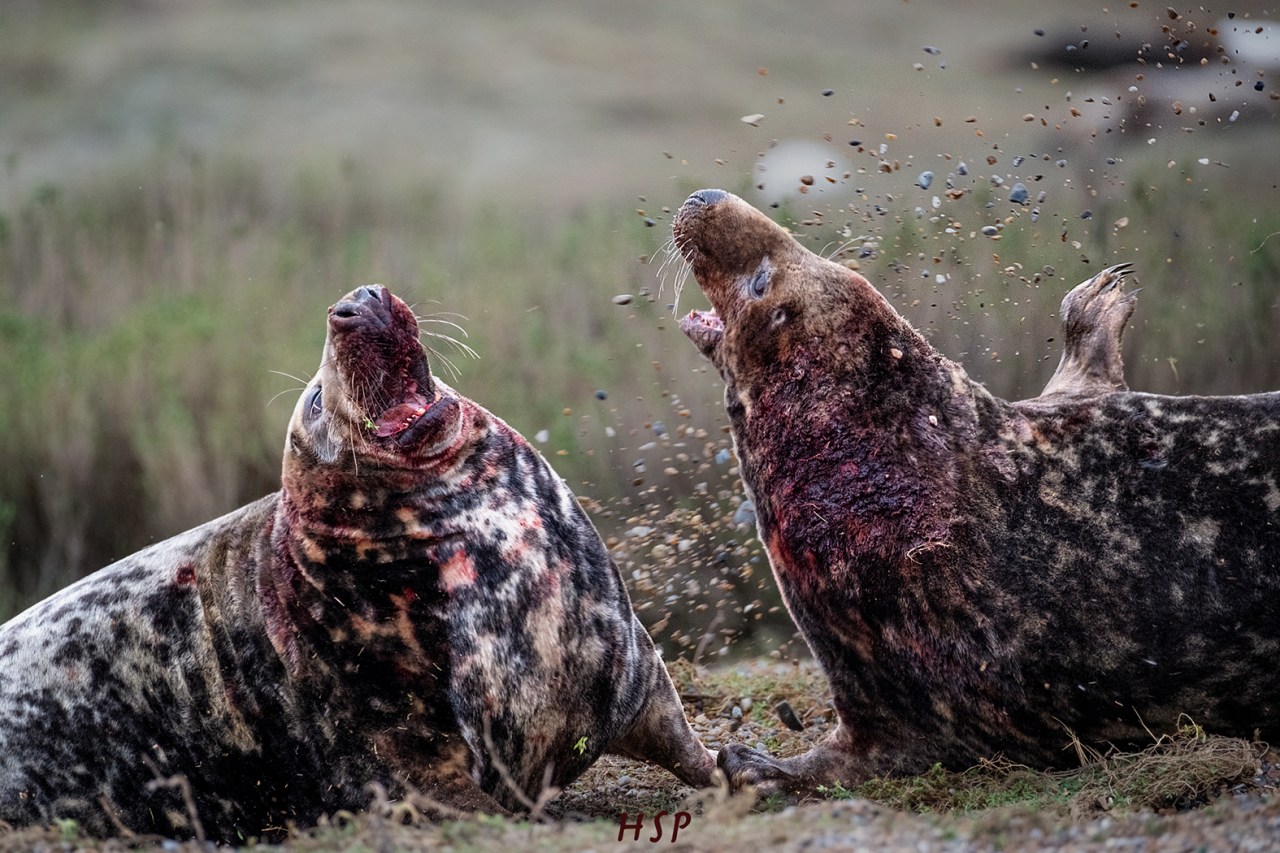
Kb, the level-headed one, says: ‘We want to see evil – but from a safe distance. That’s what makes crime fiction so fascinating. We can observe evil there without risk, whilst at the same time savouring our own moral innocence. We say: ‘How can a person do such a thing!’ Meanwhile, we’re wonderfully relieved that we’re on the right side.’
Selma: “How do we know that?”
Dina: “Perhaps evil is so fascinating precisely because it reminds us that there is no clear line between ‘the bad guys’ and ‘us’.”
Kb, der Vernünftige, meint: “Wir wollen das Böse sehen – aber aus sicherer Entfernung. Das macht die Faszination des Krimis aus. Wir können dort das Böse gefahrlos betrachten und gleichzeitig unsere eigene moralische Unschuld genießen. Wir sagen: ‘Wie kann ein Mensch nur so etwas tun!’ Währenddessen sind wir wunderbar erleichtert, dass wir auf der richtigen Seite stehen.”
Selma: “Woher wissen wir das?”
Dina: “Vielleicht ist das Böse gerade deshalb so faszinierend, weil es uns daran erinnert, dass zwischen „den Bösen“ und „uns“ keine klare Grenze verläuft.“
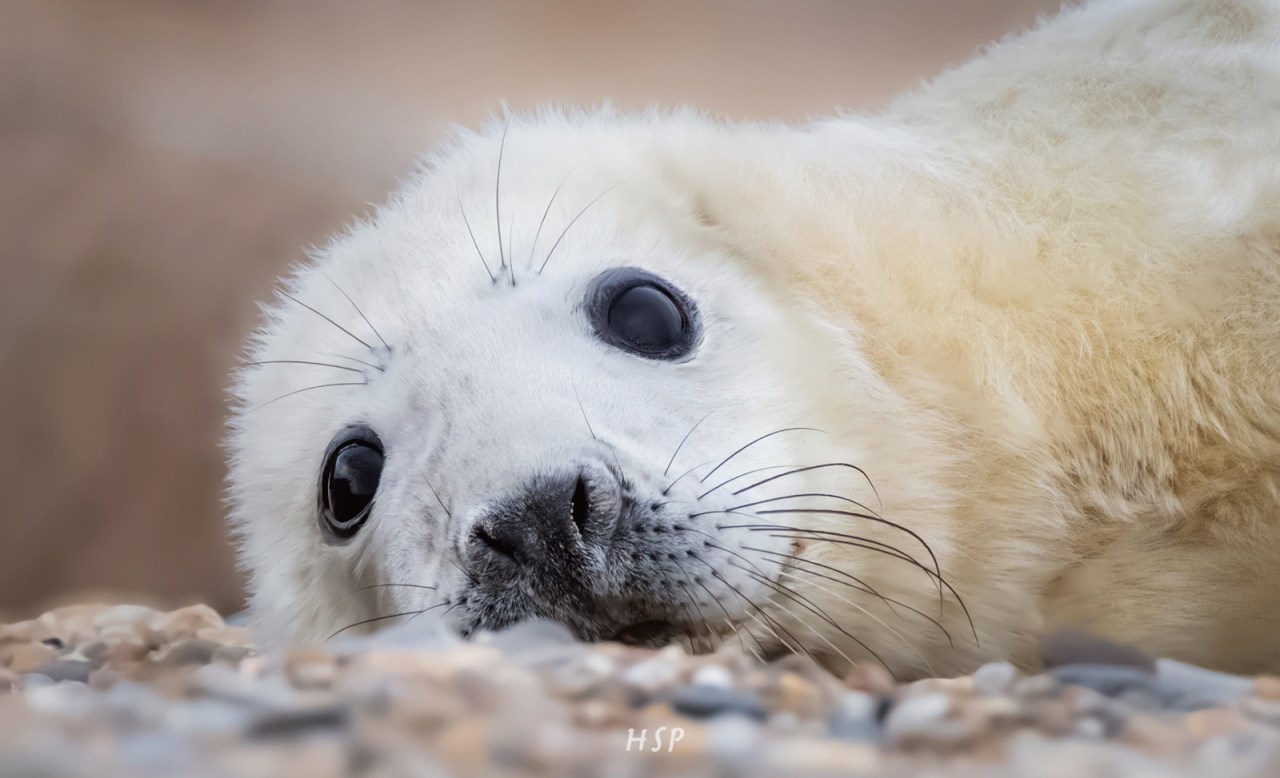
Dina, who’s boiling eggs, comes up with a startling idea that leaves us pondering in silence – and such silence is extremely rare for us. She says in passing: “Evil, like beauty, is maybe in the eye of the beholder.”
Oh dear, that means it’s not the fox who steals the goose in the nursery rhyme – and probably in real life too – who is evil, but the judgemental observer.
“But hang on, that means that when we see something evil, WE are the ones who are evil,” muses Siri.
“That’s complete nonsense!” exclaims Selma indignantly.
Clever Siri reflects: “Evil isn’t in the eye of the beholder, but what we recognise as evil depends on the eye of the beholder. That makes a huge difference. Otherwise, one would actually have to say: if I consider murder to be evil, I am evil because I see evil. That is – to use Selma’s favourite word – nonsense.”
Dina, die ein paar Eier kocht, kommt mit einer verblüffenden Idee, die uns schweigend nachdenken läßt – und dieses Schweigen ist äußerst selten bei uns. Sie sagt en passant: “Das Böse wie das Schöne liegt im Auge des Betrachters.”
Huch, das heißt, nicht der Fuchs, der die Gans im Kinderlied und wohl auch real stiehlt, ist böse, sondern der bewertende Betrachter.
“Aber hallo, das bedeutet doch, wenn wir etwas Böses sehen, sind WIR böse“, sinniert Siri.
“Das ist doch völliger Quatsch!” ruft Selma empört.
Die kluge Siri überlegt: “Das Böse liegt nicht im Auge des Betrachters, aber was wir als böse erkennen, hängt vom Auge des Betrachters ab. Das macht einen großen Unterschied. Denn sonst müsste man tatsächlich sagen: Wenn ich einen Mord für böse halte, bin ich böse, weil ich Böses sehe. Das ist – um Selmas Lieblingswort aufzugreifen – Quatsch. “
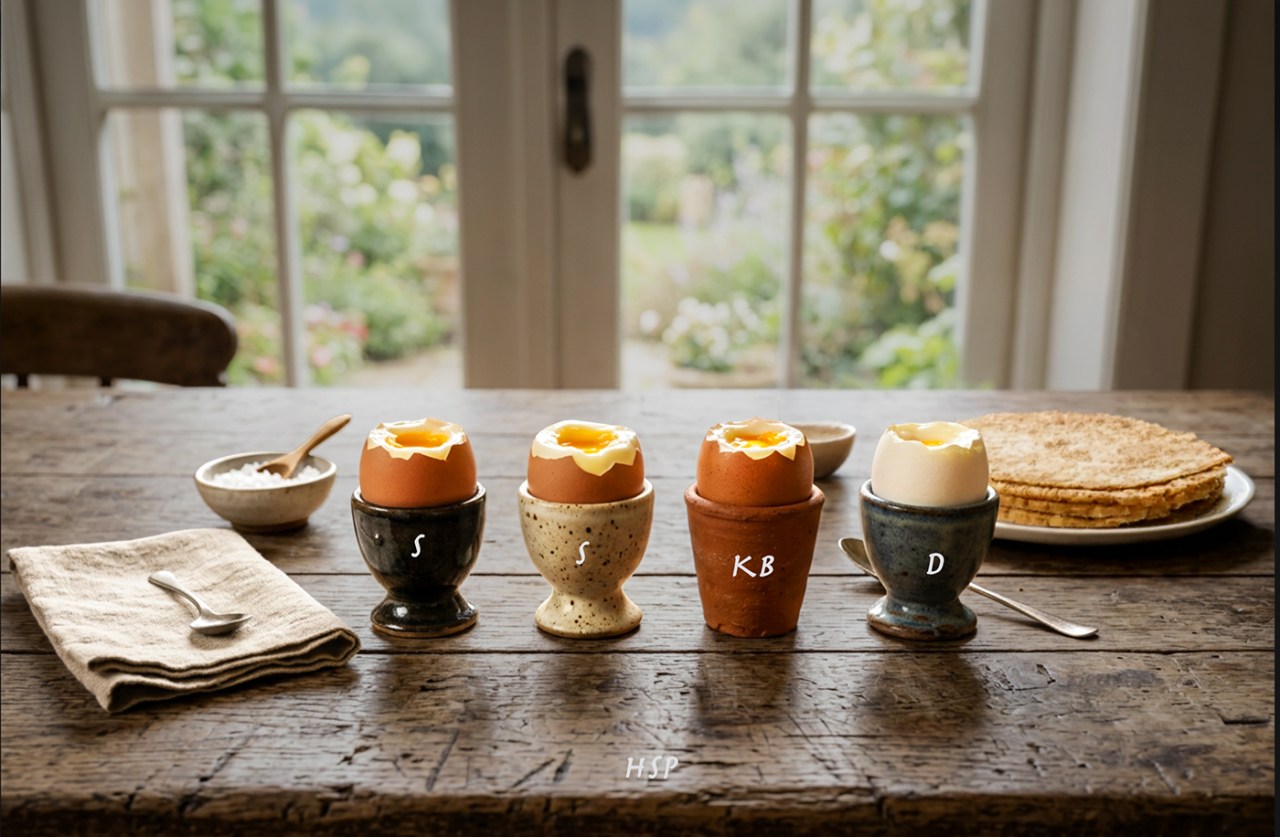
After silently eating the breakfast egg – which could actually be regarded as an act of aggression, and therefore as evil – Kb picks up the thread of the conversation again:
“Let’s look at evil from a different angle. Evil isn’t simply that which causes harm. Otherwise, the fox would be evil, as would the polar bear and the forest fire. That would make ‘evil’ merely a synonym for ‘unpleasant’ or ‘destructive’. Being evil presupposes a choice. One could be kind, but chooses evil instead.”
“While we’re on the subject of morality,” says Dina with a mischievous grin, “animals can’t be evil at all, as they have no choice. There’s a huge difference between biology and morality. Morality presupposes freedom, which biology does not possess. Morality begins where ‘I can’ becomes ‘I can also act differently’. Evil is not simply the capacity to cause harm, but the free decision to inflict harm on another being, even though one could act differently.”
Nachdem schweigend das Frühstücksei verspeist wurde, was eigentlich auch als Akt der Agression, also als böse betrachtet werden kann, nimmt Kb den Gesprächsfaden wieder auf:
“Lasst uns das Böse mal anders betrachten. Das Böse ist nicht einfach das, was Schaden anrichtet. Sonst wäre der Fuchs böse, der Eisbär und der Waldbrand ebenfalls. Damit wird ‘böse’ zu einem bloßen Synonym für ‘unangenehm’ oder ‘zerstörerisch’. Böse zu sein, setzt eine Wahl voraus. Man könnte lieb sein, wählt aber das Böse.“
“Wo wir jetzt schon beim Moralischen sind”, meint Dina verschmitzt grinsend, “können Tiere gar nicht böse sein, da sie keine Wahl haben. Da besteht ein riesiger Unterschied zwischen Biologie und Moral. Moral setzt Freiheit voraus, die die Biologie nicht hat. Moral beginnt vielleicht dort, wo aus ‘Ich kann’ ein ‘Ich kann auch anders’ wird. Das Böse ist nicht einfach die Fähigkeit zu schaden, sondern die freie Entscheidung, einem anderen Wesen Schaden zuzufügen, obwohl man anders handeln könnte.“
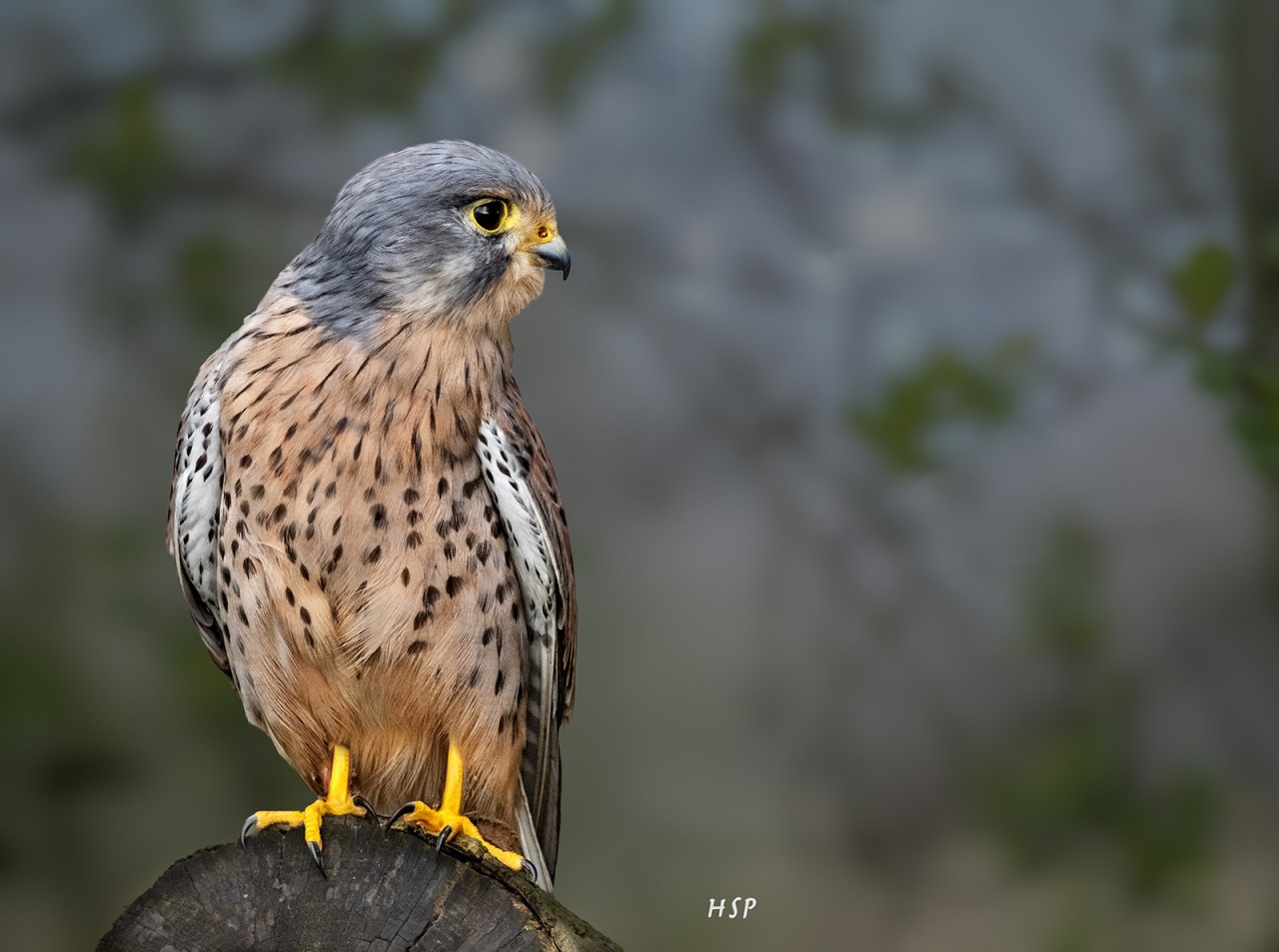
We can all see that there’s a catch here: just how free are we, after all? When someone commits murder, we might say: ‘He could have acted differently.’ But then factors such as childhood, genes, social environment, mental illness, peer pressure, fear and a thousand other causes come into play. Perhaps that is precisely why human beings are so fascinating: because they are both creatures of nature and moral beings.
Wir sehen alle, dass die Sache einen Haken hat, nämlich wie frei sind wir denn? Wenn jemand mordet, können wir sagen: Er hätte anders handeln können. Aber dann kommen Kindheit, Gene, soziale Umgebung, psychische Erkrankungen, Gruppendruck, Angst und tausend andere Ursachen ins Spiel. Vielleicht ist der Mensch gerade deshalb so faszinierend, weil er zugleich Naturwesen und moralisches Wesen ist.

‘And what about those vicious fighting dogs?’
“Humans made them that way.”
“Now let’s not get carried away. Nature has to be aggressive, otherwise it would die out. If a polar bear doesn’t kill a seal, it dies; and falcons and marsh harriers have to prey on small birds and anything that crawls, otherwise they’ll starve. But humans don’t have to kill other living creatures to survive.”
“That’s just more of that completely idealised nonsense penned by unworldly vegetarians. The Inuit have to kill whales, seals or polar bears to survive”, says Selma, who’s really taken a shine to the word ‘nonsense’ this morning.
“Und wie ist es mit den bösen Kampfhunden?’
“Der Mensch hat sie dazu gemacht.”
“Nun lasst mal die Kirche im Dorf. Die Natur muss agressiv sein, sonst stirbt sie aus. Wenn der Eisbär keine Robbe tötet. stirbt er und Falke und die Rohrweihe müssen kleine Vögel reißen und was kreucht, sonst verhungern sie. Aber der Mensch muss keine anderen Lebewesen töten, um zu überleben.“
“Das ist doch wieder völlig idealisierender Quatsch aus der Feder weltfremder Vegetarier. Die Inuit müssen Wale, Robben oder Eisbären töten, um zu überleben“, meint Selma, die heute Morgen das Wort ‘Quatsch’ liebt.

“You lot with your moralising drivel – just look at the wise Goethe, who sees the Devil as part of that power which always wills
evil and always brings about good. So all this killing isn’t really that bad“, says Selma triumphantly, her mouth full. “When you’re evil, you’re actually doing good.” To emphasise this, she sticks her tongue out as far as it will go.
A few days ago, Siri read that, for example, ‘evil’ forest fires create biodiversity and ‘evil’ predators often only attack sick animals, thereby keeping the population healthy. When humans commit murder, of course, it’s a different matter, though we do consider euthanasia a blessing.
“Ihr mit eurem Moralgequatsche seht doch den weisen Goethe, der den Teufel als Teil von jener Macht sieht, die stets das Böse will und stets das Gute schafft. Also ist das alles, das Töten, gar nicht so schlimm“, meint Selma triumphierend mit vollem Mund. “Wenn man böse ist, tut man eigentlich Gutes.” Um das zu unterstreichen, steckt sie noch weit ihre Zunge heraus.
Siri las vor ein paar Tagen, dass zum Beispiel die “bösen” Waldbrände Biodiversität schaffen und die “bösen” Raubtiere greifen oft
nur kranke Tiere an und halten so den Bestand gesund. Wenn Menschen morden, sieht das freilich anders aus, allerdings finden wir Sterbehilfe ein Segen.
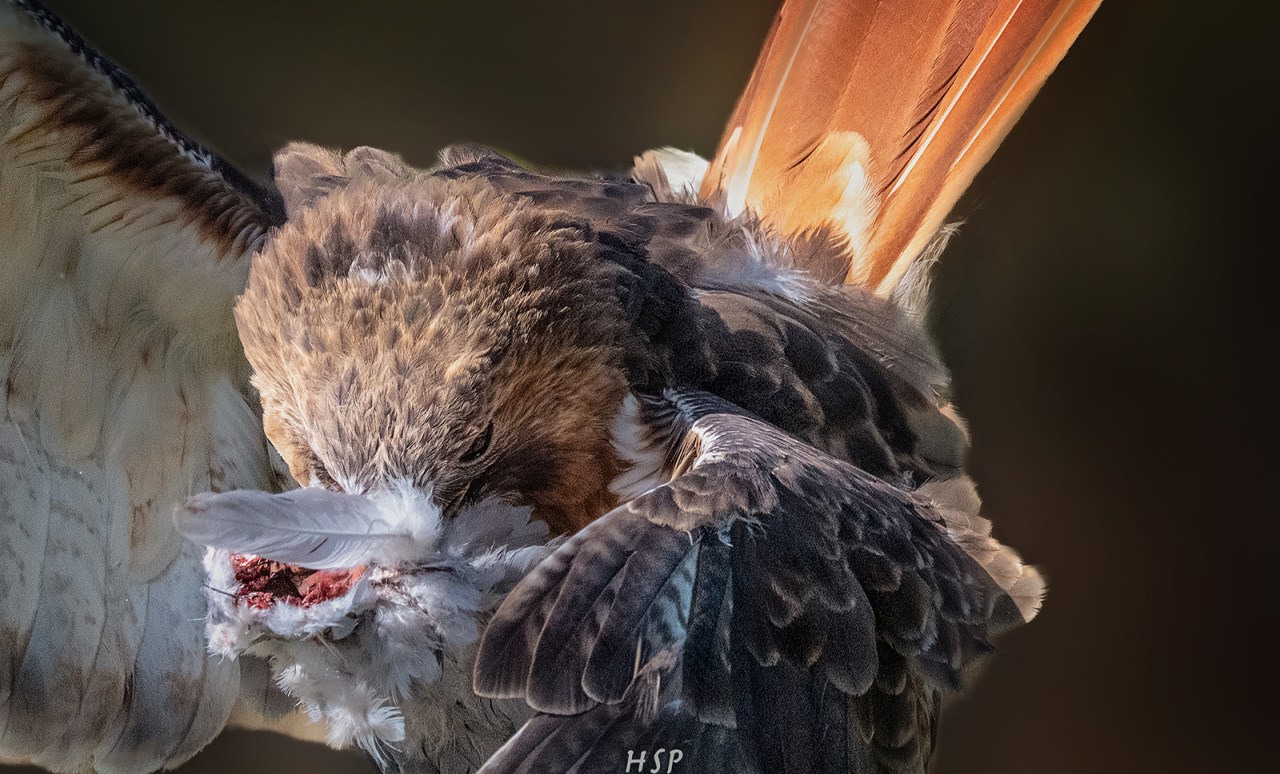
Kb draws his conclusion, like a schoolmaster: “Nature can be cruel, destructive, beautiful, generous and terrifying – but it only becomes ‘evil’ when we attribute a moral intent to it. Humans, on the other hand, are both nature and morality. That is precisely where the problem begins. For humans are the only beings capable of doing something evil and then discussing over breakfast whether it was evil.“
Kb zieht wie der Oberlehrer den Schlussstrich: “Die Natur kann grausam, zerstörerisch, wunderschön, großzügig und erschreckend sein – aber „böse“ wird sie erst, wenn wir ihr eine moralische Absicht zuschreiben. Der Mensch hingegen ist Natur und Moral. Genau da beginnt das Problem. Denn der Mensch ist das einzige Wesen, das etwas Böses tun und anschließend beim Frühstück darüber diskutieren kann, ob es böse war.“
We need to give this some more thought. So, see you next time. Meanwhile we’d love to hear your thoughts on evil.
Darüber müssen wir noch weiter denken. Also bis nächstes Mal. Wir würden uns freuen, wenn ihr uns eure Meinung zum Bösen mitteilen würdet.
The Fab Four of Cley
🙂 🙂 🙂 🙂
.
.
© text and illustrations, Hanne Siebers & Klausbernd Vollmar, Cley next the Sea 2026


I never think of anything in nature as evil. Animals kill to survive, not for pleasure. Some humans kill for pleasure, so perhaps those who find pleasure in killing or torturing animals (or other humans) are truly evil. An interesting discussion to have over your boiled eggs, accompanied by simply superb photographs!
Love from Beetley, Pete. X
LikeLiked by 4 people
Dear Pete
Well, cats kill for pleasure as well as foxes. We quite often idealize nature. That’s the zeitgeist.
It’s a complicated question if nature can be evil. Unfortunately we know not enough of animal behaviour to give a clear answer. But we hope that some of our visitors here know more.
We like to write a post about something we are interested in but not necessarily know all about it. We hope that during the discussions here we learn to see clearer.
Thanks, dear Pete. Have a happy week
The Fab Four of Cley
🙂 🙂 🙂 🙂
LikeLiked by 3 people
The only evil I know about is Satan and its minions. I love the beautiful photos, wow!! 😮🥰
LikeLiked by 3 people
Oh derar, John
Now there is the question who or what is Satan. Is it a philosophical or theological principle or what?
Thanks for liking Dina’s pictures and for commenting
The Fab Four of Cley
🙂 🙂 🙂 🙂
LikeLiked by 2 people
I think that evil is apparent in nature, and not just in human beings. There is a viciousness that exists in some animals. Cats, for example, often kill birds and other small creatures for pleasure, not food.
It’s ultimately a tricky philosophical question, but good for discussion.
LikeLiked by 3 people
Thanks, dear Richard 🙏 🙏
Indeed, it’s a tricky question. We don’t have an answer, but we find it interesting to think about it. Kb as a rationalist asked what’s the function of evil? Siri, our intellectual, questioned that characteristic we use for humans can be used for animals as well. Does morals apply to nature? On the other hand people are nature as well. Selma asks if it helps to know if nature can be evil or not and Dina tries to answer that question iconographic.
All the best
The Fab Four of Cley
🙂 🙂 🙂 🙂
LikeLiked by 3 people
Ihr Lieben in Cley, zu eurem wunderschönen und stimulierenden Bericht bezüglich das Böse gefällt mir folgender Satz ganz speziell “der weise Goethe, der den Teufel als Teil von jener Macht sieht, die stets das Böse will und stets das Gute schafft.” Habt vielen Dank:)
LikeLiked by 3 people
Ja, liebe Martina,
Kb und Siri sind beide große Goethe-Fans. Auch wenn dieses Zitat aus dem ‘Faust I’ (zu) oft zitiert wird, passt es hier doch bestens.
Mit lieben Grüßen vom sonnigen Meer
The Fab Four of Cley
🙂 🙂 🙂 🙂
LikeLiked by 2 people
👏🌻
LikeLiked by 2 people
What a fascinating discussion to have around your breakfast table. I would define evil as intentional acts of cruelty, injustice, and malice committed by people who get enjoyment out of seeing others in distress. But then you need to consider whether an act is truly evil or just extremely unkind.
LikeLiked by 6 people
Thank you very much, dear Jude.
We suppose people are often evil for getting an advantage.
And as you wrote, the problem is where starts and ends ‘intentional’. Intentionality presupposes freedom, and who is truly free from their socialisation?
Thanks a lot
The Fab Four of Cley
🙂 🙂 🙂 🙂
LikeLiked by 2 people
Wonderful photos. I’ll leave the moralizing to others.
LikeLiked by 4 people
Thank you very, dear Anneli.
Leaving the moralising to other is clever.
The Fab Four of Cley
🙂 🙂 🙂 🙂
LikeLiked by 2 people
Gorgeous photos BTW.
LikeLiked by 4 people
Thank you 🙏 🙏
LikeLiked by 1 person
What a fantastic discussion around the kitchen table!
Dina’s quote about evil being in the eye of the beholder and the discussion about free will are absolutely fascinating.
Thank you for sharing this brilliant philosophical insight.
PS: the images are wonderful!
LikeLiked by 4 people
Thank you very much, dear Luisa 🙏 🙏
We love to philosophise. It’s a sort of family game for us.
Thank you for liking Dina’s pictures.
The Fab Four of Cley
🙂 🙂 🙂 🙂
LikeLiked by 2 people
Thank you all for this kind reply 🙏🙏🙏
LikeLiked by 2 people
A heavy and intriguing discussion, especially for the breakfast table. Maybe it’s evil to discuss this before lunchtime. 😊
LikeLiked by 5 people
Maybe you are right. On the other hand, we still have all the inspirations from our dreams in the morning, and we are all sitting together then.
We don’t see our discussions as heavy; they are yoga for our minds.
Thanks
The Fab Four of Cley
🙂 🙂 🙂 🙂
LikeLiked by 2 people
It seems the fab four are a dynamic and close family of friends.
LikeLiked by 2 people
Indeed we are. But we have some close friends outside our family as well. Siri and Selma f.e. have especially Hildi and Hulda as close friends and Dina and Kb have some friends they exchange their ideas with all over the world.
LikeLiked by 2 people
What an extraordinary amount of philosophy to encounter before the breakfast eggs have even gone cold! What stayed with me most was the distinction between destruction and evil. Nature can certainly be cruel and destructive, but does evil require intention. The knowledge that we could choose differently and nevertheless choose to cause harm. And then, of course, Klausbernd complicates that beautifully by asking how free our choices really are.
As you know, I’m reading Faust so I was very pleased when Selma brought Goethe and Faust to the breakfast table. Mephistopheles describes himself as:
“Ein Teil von jener Kraft,
Die stets das Böse will und stets das Gute schafft.”
“Part of that power which eternally wills evil and eternally works good.”
And there Goethe leaves us with yet another complication. Even the relationship between good and evil may not unfold quite as we expect. Maybe some questions are not meant to be settled over breakfast or even in a lifetime. Wonderful food for thought from The brilliant Fab Four of Cley!
LikeLiked by 3 people
Dear Rebecca
Kb thinks that free choice is an illusion. There are too many factors that determine our choices. It’s more, Kb thinks, a question of how much free and how much determined we are in our choices. It’s a question of proportion.
There may be no definitive answers to questions like these. But it is nevertheless important to ask such questions and to engage with them – and it keeps our brain mobile.
Thank you very much, dear Rebecca. With lots of love from the small village next to the big sea
The Fab Four of Cley
🙂 🙂 🙂 🙂
LikeLiked by 1 person
Dear Klausbernd, what wonderful serendipity! Sarah and I had a conversation this past weekend about the illusion of free choice, and we found ourselves travelling very much in the same direction. How much of a choice is free and how much is shaped by everything that has brought us to that moment. Our experiences, circumstances, relationships and countless other influences are already there when we make the choice. I agree with you that there are questions for which we will never have definitive answers, but asking them keeps us curious!!!!
LikeLiked by 2 people
Dear Rebecca
If we want it or not, the media influence us more than we are usually aware of. And we seem not to mind, so people are proud of being influencers (although these are the ones whose power to influence is small).
One could say that manipulation starts with every kind of education. Our parents and the teachers are the first one to influence our thinking and judging things. Therefore sang Pink Floyd “We don’t need no education, we don’t need no thought control”. But the problem is, we need it.
Anyway, however you look at it freedom is an ideal, but ideals are aims but not reality.
Love 😘
The Fab Four of Cley
🙂 🙂 🙂 🙂
LikeLiked by 2 people
Thank you Klausbernd for an excellent conversation!!!
LikeLiked by 2 people
We most of the times have an excellent conversation. Thank you very much for it as well 🙏 🙏
LikeLiked by 2 people
Thank you for allowing us to listen in on your family’s philosophical discussion, Klausbernd. The attraction to evil is real.
LikeLiked by 3 people
Good morning, dear Mary
Thank you very much for your comment.
Yes, the attraction of evil could be an interesting topic for a new blog.
All the best
The Fab Four of Cley
🙂 🙂 🙂 🙂
LikeLiked by 2 people
As other have already pointed out, the animal portraits are excellent.
LikeLiked by 3 people
Thank you very much, dear Steve 🙏 🙏
LikeLiked by 1 person
actually, I think I will have to give this more thought. Perhaps over a boiled egg…at breakfast tomorrow! 🙇♂️
LikeLiked by 3 people
Dear Ashley
A good breakfast helps to have great ideas. The German author Bert Brecht believed that the best ideas come to you when you’re in a comfortable situation – we agree.
Thanks and cheers
The Fab Four of Cley
🙂 🙂 🙂 🙂
LikeLiked by 1 person
Good morning FabFour! I have to say that our boiled eggs for breakfast this morning, signaled a thoughtful breakfast, a very quiet meditative one! 🙏
LikeLiked by 2 people
Enjoy!
Joy is one path to insight.
LikeLiked by 2 people
I love the discussion, it brings back the Bulgakov’s character in The Master and Margarita, and his famous quote: never talk to strangers…
LikeLiked by 3 people
Hi Milena
You are not a stranger, aren’t you?
Such discussions have a long tradition in the European history. As Gurdjieff wrote, it started with the old Greek fishermen who couldn’t go out because of the rough sea. They passed the time in the harbour philosophising – they had nothing else to do.
Thanks for your comment
The Fab Four of Cley
🙂 🙂 🙂 🙂
LikeLiked by 2 people
I’m an alien, yes, and a stranger from albert campus, how did you know?
LikeLiked by 1 person
Albert Camus
LikeLiked by 2 people
I find Camus’ story a bit irritating. But it’s quite some time ago I read ‘The Stranger’.
Kb 🙂
LikeLiked by 2 people
Me too, I would love to read it again
LikeLiked by 2 people
Well, that was definitely an intense breakfast but a nice exchange, bringing lots of food for thought, besides the eggs😊
LikeLiked by 3 people
Dear Ortensia
We need food for our stomach as well as for our brain. If we have both foods that’s ideal.
Thanks
The Fab Four of Cley
🙂 🙂 🙂 🙂
LikeLiked by 2 people
Indeed🤓
LikeLiked by 2 people
While I very much enjoyed catching a glimpse into your family’s intriguing philosophical discussions, what actually caught my attention were all the wonderful animal and bird photos included in the post – they are truly superb. My regards to the talented photographer. Thanks for sharing, and have a good day 🙂 Aiva xx
LikeLiked by 4 people
Good morning, dear Aiva
You made Hanne-Dina’s day. She is our photographer.
In the beginning we had problems to find ideas how to illustrate this post. That’s always a problem with rather abstract topics. This time we started with the text what’s more of a challenge for illustrating than starting with the pictures.
Thank you very much
The Fab Four of Cley
🙂 🙂 🙂 🙂
LikeLiked by 1 person
A fascinating morning read, in my case before my own breakfast! Looking at somewhat a quick pace into the first thoughts emanating from my own brain I think I most agree with Jude and her perception of ‘intentional acts of cruelty’ and the pleasure and satisfaction some people get from this. One thing for very certain . . . the world into which each morning is currently full of it . . . Wonderful, absolutely wonderful photos to soften each statement . . .
LikeLiked by 3 people
Thank you very much, dear Eha.
If the world is cruel or not, if aggression rules our world or not is a question of your standpoint – in every respect, how you see the world and where you live.
Great that you like Dina’s photography
The Fab Four of Cley
🙂 🙂 🙂 🙂
LikeLiked by 2 people
It’s not a problem that can be solved with one meal. 🙂
LikeLiked by 2 people
Hi Tanja
These are the interesting questions that can’t be answered quick and easy. And maybe they can’t be answered but it’s important to ask them.
The Fab Four of Cley
🙂 🙂 🙂 🙂
LikeLiked by 2 people
Goodness, that was quite the discussion before breakfast was eaten. I think it is important to recognise that evil does exist, that is cannot be apologised away, excused, by those who view life though rose-tinted glasses. Your discussion has brought to mind a chat with my son about a month ago. In his work as a pharmacist he regularly administers and supervises prescribed drugs for recovering addicts. Over the years he has come to know some of these people quite well and he made a very heartfelt comment that is was only the very slightest twists of fate, of circumstances in life, that had him in a safe and comfortable life and others not so well off. There is evil but it is sensible to seek the good.
LikeLiked by 4 people
Your thoughts bring me to the film “The Shawshank Redemption”, have you seen it?
LikeLiked by 4 people
Yes. Very apt!
LikeLiked by 1 person
Dear Paddy
We are quite lucky that we ended up on the ‘right’ side. It’s actually quite easy to become evil. And it’s not only our doing. It depends on where we are born, country and family f.e. We all could easily be evil as we all have the possibility to become evil in ourselves. And well, a little bit evil makes one interesting. If you are like a saint without any evil side you are boring, aren’t you?
And quite often evil is done with the intention of doing good.
Thanks
The Fab Four of Cley
🙂 🙂 🙂 🙂
LikeLiked by 2 people
It makes good breakfast time reading. Thanks Klaus xx
LikeLiked by 3 people
You are very welcome, dear Jo.
Wishing you an easy day without any evil
The Fab Four of Cley
🙂 🙂 🙂 🙂
LikeLiked by 1 person
We are gently overheating in Elvas, in the Alentejo, Klaus. The devil at work xx
LikeLiked by 1 person
Dear friends,
you have served food for thought for a long dinner. Love the photos you have chosen to illustrate the discussion, Hanne! – Nature is not actually malicious or cruel; it is completely indifferent. The brutality we see is just a byproduct of life needing energy to survive.
I watched an interesting Nietzsche documentary recently focusing on a person’s ability to act beyond good and evil, iow when you stop using rigid, traditional moral labels to judge life (and nature), stop blaming outside rules, society, or fate for your life.
By the way, I have started reading “Helm” by Sarah Hall, thank you for the recommendation, Fab Four. Loved the fact that you met her and could learn more about the background for Helm.
Wishing you rain!
Kram
Annalena x
LikeLiked by 4 people
Dear Annalena
This breakfast-scenario was like in the olden times when we were students living in a group together and couldn’t stop discussing. These were the times. We’ve managed to preserve some of that, because those were times that had the greatest impact on Kb and Hanne-Dina. And Siri and Selma like this lifestyle as well.
Unfortunately, we haven’t researched what Nietzsche wrote about evil yet. Maybe you know?
We desperately need rain, but there is no sign of rain within the next time. And it’s too sunny and hot for us here. If it goes on like this, we’ll move back to Sweden becoming your neighbours.
With lots of love
The Fab Four of Cley
🙂 🙂 🙂 🙂
LikeLiked by 1 person
Nice one, FabFour. I’ll have to boil some eggs whilst I think and get back to you.
Enjoy your breakfast! I hope it’s lighthearted. 😉
Klem Per Magnus x
LikeLiked by 3 people
Dear Per Magnus
‘Food comes first, then morality‘ Bert Brecht (Three Penny Opera)
‘Evil’ is a brain-racking subject.
We envy you up north. We hope you are well
The Fab Four of Cley
🙂 🙂 🙂 🙂
LikeLiked by 2 people
Gorgeous photography by Hanné!
LikeLiked by 3 people
Thanks, dear Fraggle 🙏 🙏
The Fab Four of Cley
🙂 🙂 🙂 🙂
LikeLiked by 2 people
As ever, marvellous images by Hanne-Dina! That was quite a breakfast conversation
LikeLiked by 3 people
Good morning, dear Sue
We have often such conversations at breakfast or dinner. It’s a relict from our student times that Siri and Selma like as well.
Thank you very much for liking Dina’s pictures. Have a great week without any evil
The Fab Four of Cley
🙂 🙂 🙂 🙂
LikeLiked by 2 people
I would be all for that!
LikeLiked by 1 person
Does the mind of an infant know evil? That’s where we all begin; with the mind of an infant.
LikeLiked by 3 people
A mind of infant is not be able to make moral decisions.
The Fab Four of Cley
🙂 🙂 🙂 🙂
LikeLiked by 2 people
Exactly.
LikeLiked by 3 people
If this is your discussion over breakfast, I wonder what where the conversation goes by supper. You gave great insights into the many sides of evil, that I will continue to ponder today. But maybe I’ll skip the crime drama tonight. Maggie
LikeLiked by 3 people
Supper is our time for gossip. We love gossiping.
The Fab Four of Cley
🙂 🙂 🙂 🙂
LikeLiked by 3 people
Interesting discussion paired with beautiful pictures, love both. Evil is something which (probably) is part of most human beings if not all. What we call civilized society or good people or normal people are the ones able to keep evil under control and prevent him from acting.
We had some terriffic murders and sometimes people are susprised and comment the killer was known as a very good man.
I should think more about this stimulating question but where I live, Italy it is so hot and dry, with drought related problems that my old brain finds difficult to think too much! Perhaps next time I boil some eggs 🙂
Again, beautiful photos 🙂
LikeLiked by 3 people
Hi Robert
We agree, everyone has that evil side. Fortunately in most people it’s not triggered that much that they can’t control it. Most people express their malice through small, spiteful acts, such as insults.
It’s quite often a question of your socialisation how much you can control your evil drive.
Goldings ‘Lord of the Flies’ is the classic about how this evil is easily set free.
It’s too hot here as well.
Thanks you very much for your comment
The Fab Four of Cley
🙂 🙂 🙂 🙂
LikeLiked by 2 people
Intesresting indeed. Next time you discuss this over breakfast, may I suggest you eat ” deviled eggs”!
LikeLiked by 3 people
Ha ha, we don’t like ‘devilled eggs’, too much mayonnaise. But you are right, the right food for special discussions helps.
Thanks for commenting
The Fab Four of Cley
🙂 🙂 🙂 🙂
LikeLiked by 1 person
A most interesting breakfast discussion. I agree that evil is in the eye of the beholder from the perspective that if a persons moral compass is skewed due to nature or nurture, they will not see evil the same way as most people. I also think evil can be a choice that people justify. Propaganda and vilification are two tools used to justify evil in the minds of perpetrators.
LikeLiked by 3 people
Dear Roberta
Thank you very much for making the point that propaganda is an often used tool to set evil free. In ancient Rome they had ‘panem et circensis‘, in fascist Germany and Austria it were the Jews and we have the refugees today as ideal objects for vilification. The extreme right groups know quite well how to set the evil free that is living in us all.
The Fab Four of Cley
🙂 🙂 🙂 🙂
LikeLiked by 2 people
Yes, you have summed it up well.
LikeLiked by 2 people
Definite food for thought. Excellent photography, as always!
LikeLiked by 3 people
Hi Terry
‘Man does not live by bread alone’. We need those discussions. We had them already when we, Dina & Kb, were children.
Thanks for liking Dina’s photography 🙏 🙏
The Fab Four of Cley
🙂 🙂 🙂 🙂
LikeLiked by 2 people
Deep thinking here. KB had it right.
LikeLiked by 2 people
Thank you very much, dear Jenny.
You made Kb’s day 🙂
All the best from the much too warm coast of Norfolk
The Fab Four of Cley
🙂 🙂 🙂 🙂
LikeLiked by 2 people
I’m so glad! All the best.
LikeLiked by 2 people
An interesting and thought provoking topic. Sounds like quite the breakfast conversation. I can’t help but think of William Blake’s poems about the lamb and tyger.
LikeLiked by 2 people
Hi Linda
Thanks a lot for remind ing us of Blake’s poem about the lamb and tyger, the both sides of human beings. Kb once heard Allen Ginsberg singing it. Ginsberg wrote a lot about this poem.
The role of evil is such a basic question.
Nietzsche wrote in ‘Thus Spoke Zarathustra’ “Man is evil”. For him evil and good is an aristocratic way of valuating people. Good is strong and healthy and evil is weak and unhealthy. This is the point where the fascist tried to make Nietzsche one of their philosophers.
Keep well
The Fab Four of Cley
🙂 🙂 🙂 🙂
LikeLiked by 2 people
Post Scriptum
You can find it here
LikeLiked by 2 people
Thanks!
LikeLiked by 2 people
Interesting discussion. I think in the animal kingdom there is no evil only survival. Evil is more when it is thought about it and one does awful things on purpose.
Love the seal pictures on the post.
LikeLiked by 3 people
Thank you very much, dear Ute.
We think evil is a moral judgement and morals only apply to humans.
Thank you and Happy weekend
The Fab Four of Cley
🙂 🙂 🙂 🙂
LikeLiked by 2 people
What extraordinary images. (I won’t think or comment on the ‘evil’ bit).
LikeLiked by 2 people
Dear Vicki
Thanks a lot for liking Dina’s photos 🙏 🙏
Why won’t you think or comment on the ‘evil’ bit?
Be that as it may.
Wishing you a happy weekend
The Fab Four of Cley
🙂 🙂 🙂 🙂
LikeLiked by 2 people
Evil is definitely a difficult subject. With respect to leadership, I subscribe to the definition that Dr. Barbara Kellerman from Harvard University presented in her book Bad Leadership. Evil leadership is “the leader and at least some followers commit atrocities. They use pain as an instrument of power. The harm done to men, women, and children is severe rather than slight. The harm can be physical, psychological, or both.”
LikeLiked by 3 people
Hi Edward
That’s one way to define evil. We would agree but evil takes place beyond leadership of course. There is everyday life evil f.e. in families.
Wishing you a happy weekend
The Fab Four of Cley
🙂 🙂 🙂 🙂
LikeLiked by 1 person
Dear Edward
Are you related to Peter Ortiz, the spy who saved many lifes?
https://lithub.com/meet-pierre-peter-ortiz-undercover-spy-marine-and-resistance-fighter/?utm_source=Klaviyo&utm_medium=campaign&utm_id=01M1BTB5M3DJFB34FTBRPVV81A&_kx=EBr8oev4sQuti6WJm7PtWzX7m31jBMo5tkw6u1sYrs0.U5D8ER
I had never heard of him before
Klausbernd 🙂
LikeLiked by 2 people
Not directly, for sure. My father was born in Puerto Rico, as were his father and grandfather. But of course, the Ortizes came from Spain, so it’s possible that there is a connection somewhere. I just read about Peter Ortiz, and his life was super interesting.
LikeLiked by 2 people
Hello!
Habe tagelang im Geiste Kommentare zu eurem Blogpost formuliert…wahrlich, das müsst ihr nicht alles durchlesen, weil ich es gar nicht aufschreibe…
Gleich am ersten Morgen, noch im Dämmerzustand, “sah” ich eine Waage. Sie “zeigte”: legt man in die Schale der “guten Seite” viel hinein, kommt die andere Seite nach oben…dieses Bild zeigte mir wahrscheinlich mein ” Geist”, weil ich ein bissel darüber nachdachte, warum ich das Gefühl habe, dass ein “normales” Leben zur Zeit gefühlt erschwert bis nicht mehr möglich ist…das “Böse” hat irgendwie überhand genommen, es ist vieles in meinen Augen nicht mehr in der Balance…
Kann es sein, dass wenn “das Böse das Gute” erschaffte, dies nur stimmig wäre, wenn es (das Böse und Gute) auch bewusst erkannt werden würde?
Bei der Frage “Who is evil”?, also ich würde das ? eher weglassen wollen und fragen who is who…?!
Ohne das Ei aufzuschlagen, kommst du ja nicht an den Dotter…oh Otter…
Habe euch lieb und grüße euch von Herzen
Euer Pialein
LikeLiked by 3 people
Danke, liebes Pialein
ach, weißt du zu jeder Zeit dachten viele Menschen, dass das Böse überhand nimmt. Wir glauben, unsere Zeiten sind nicht schlechter als andere. Brecht schrieb von etwa 90 Jahren
“Ein guter Mensch wer wäre das nicht gern
Doch leider sind auf unserem Stern
Die Mittel kärglich und die Menschen roh.
Wer möchte nicht in Fried und Eintrfach leben
Doch die Verhältnisse sie sind nicht so.”
Ja, so fühlte sich so mancher vor 90 Jahren und nicht nur dann sondern die gesamte Geschichte hindurch. Und wir haben es immer überlebt und, ehrlich gesagt, nicht schlecht.
Da mach’s mal gut. Wir senden dir ganz viele Umarmungen und alles Liebe
The Fab Four of Cley
🙂 🙂 🙂 🙂
LikeLiked by 2 people
Ja, wir haben eine Glückssträhne erwischt, ein Traumleben!!! Bis jetzt….
LikeLiked by 2 people
Naja, liebes Pialein, es gab stets Leute in der Geschichte der Menschheit, denen es gut ging und, wir denken, es wird auch weiterhin so sein. Heute versuchen die Rechten den Leuten einzureden, dass es ihnen nicht gut geht, was wir sehr böse finden, früher waren es die Kirchen, die versuchten, dass jeder sich sündig fühlte. Immer ging es um Machtausübung. Uns geht es u.a. auch deswegen gut, weil wir es uns nicht einreden lassen, dass es uns schlecht geht.
Also lass es dir weiterhin gut gehen
The Fab Four of Cley
🙂 🙂 🙂 🙂
LikeLiked by 2 people
Guten Morgen, aus politischen Themen halte ich mich meist heraus…habe da einfach zu wenig Insiderwissen, um wirklich mitreden zu können…
Seit vielen Jahren gehe ich immer wieder die Liste meiner “Schandtaten” durch, schaue mir an, wie ich mich wo, wann, wie anderen gegenüber und mir gegenüber verhalten habe…da plagt mich manchmal mein Gewissen….da erkenne ich oft, wie ich mich hätte anders verhalten können, sollen, müssen…
1989/90 übte ich mich im Ballett an der Waganowa Schule….KGB ganz ofiizell im Büro der Schule. Die Menschen hatten nicht genug zu essen, das kostenlose Waser kam teils als Rinnsal aus der Dusche, kein Waschmittel da, nix zu kaufen in den Geschäften (außer bei Berioska mit Dollars). Telefon kostenlos, funktionierte meist nicht. Der normale Russe durfte nicht ins Schwimmbad oder gar in Theater. Bei “verbotenen” Kunstausstellungen, zu denen ich verbotener Weise fuhr, gab es manchmal eine Installation von Helmen mit Stacheldraht zu sehen…wow…richtig wichtig zu verbieten…
Am meisten vielen mir die dunklen Wagenkolonnen auf, die durch die breiten Straßen rauschten…und die ekelhaften fetten Männer mit den leichten Mädchen, die sich den Kaviar mit dem Löffel reinschaufelten in den Hotelrestaurants…
Undifferenziert, oberflächlich und/oder mit verallgemeinerten Aussagen von rechts oder links, von oben, unten, außerhalb, der Mitte oder sonst wo her, kann man sich mit mir nicht zusammen- bzw. auseinandersetzen.
Ich bekomme Herzklopfen, Schweißausbrüche, Klosgefühl im Hals und Augenpipi beim Schreiben…
Dann trenne ich wieder Zeit vom Raum, nehme Bewusstsein rechts und links neben mich und entspanne mich in der Mitte….bis Nüchternheit einkehrt und ich anders denken kann, andere Gedanken wahrnehmen kann….
Happy Sunday
Euer Pialein
…muss meine Kindertagespflegestelle “Bunter Leuchtvogel” sauber machen, zur Zeit betreue ich kurdische Brüder, habe mich ein wenig mit den Jesiden beschäftigt. weiß aber gar nicht, ob die Familie damit etwas zu tun hat…sie hat eine Brautkleider Schneiderei……noch liebe ich mein Leben…es lehrt mich vieles….
LikeLiked by 2 people
Liebes Pialein
Ich war sehr of (jedes Wochenende) als Tourist in St. Petersburg als es noch Leningrad war. Ich fand es gar nicht bedrohlich dort, aber ich musste dort auch nicht leben. Ich war zum Vergnügen dort wie viele Finnen.
Obwohl ich nichts mit dem Christentum zu tun habe, wenn wir vom Bösen reden, fällt mir sofort das Christentum ein, habe ich jedoch einen jesuitischen Freund, der eine Art Abt in einer jesuitischen Gemeinschaft ist, die ich oft besuchte.
So haben wir unsere Erfahrungen gemacht. Übrigens bin ich der Ansicht, unpolitisch geht nicht. Wie die alten Griechen schon den Menschen als ein Zoon Politikon sahen, und die sich von der Politik fern hielten, nannten sie die Idiotes. Ich halte es einfach für eine Illusion unpolitisch zu sein, denn das ist eine gefährliche politische Haltung.
Klausbernd 🙂
LikeLiked by 2 people
Danke , ja mich aus oberflächlichen politischen Debatten heraushalten zu wünschen, besagt nicht, dass ich nicht politisch bin…oder politisch uninteressiert wäre….ich höre allen zu und mache mir meine Gedanken…
Das liegt auch daran, dass ich ab meinem 9. Geburtstag öfter auf Kanzler Kohls Schoss saß, hatte als Oggersheimer Solofunkenmariechen irgendwie Vip-Status..
Unterrichtete später alle Töchter und Enkelkinder der Oberbürgermeister und Oberbürgermeisterinnen etc. sämtlicher Couleurs in der Kunst des Tanzes.
Jesidisch…schrieb ich…..nicht jesuitisch…oder war das gar nicht in diesem Zusammenhang erwähnt?
Liebdrücker…gleich ist alles sauber, juhu!!!
…habe viel Nachfrage, es spricht sich herum, dass ich viele schöne kreative Dinge mit den Kindern mache und wir viel draußen sind und es guuuutes Essen gibt….
LikeLiked by 2 people
Gratulation zu deinem Erfolg
The Fab Four of Cley
🙂 🙂 🙂 🙂
LikeLiked by 2 people
We are who we are and it is what it is 🙂
Faulous pix and a fascinating subject for a BF discussion,.
Curious to know more about the plate to the right of the 4 headless eggs. Is it some sort of a flatbread on it?
LikeLiked by 2 people
Hi Ankur
Thank you.
You are right, it’s an Indian kind of flatbread.
The Fab Four of Cley
🙂 🙂 🙂 🙂
LikeLiked by 1 person
As always an interesting discussion beautifully paired with (as always) amazing images. As for the subject, I suppose I believe there is such a thing as pure evil, but I don’t believe at least among humans, none are born that way. Even the most evil throughout history have terribly sad back stories where they’d been tortured either physically or mentally – or at the very least THOUGHT they’d been tortured. Rather an odd topic this time but as always Dina’s images are extraordinary.
LikeLiked by 3 people
Dear Tina
The question of evil is complex, which is why it is of interest to us for a blog. According to Nietzsche, this concerns the traditional, largely Christian-influenced morality that is hostile to life. Good and evil, as rigid systems, are human inventions.
We are not quite sure, on one hand evil is a question of morals and a judgement, on the other hand we think that we are all born with good and evil traits.
Thank you very much for your comment
The Fab Four of Cley
🙂 🙂 🙂 🙂
LikeLiked by 1 person
Excellent reflection, y’all 4. (Your images are extraordinary BTW)
Evil… evil. (I’m actually currently reading Nietzche’s Beyond Good and Evil. Lots of food for thought there.)
Two thought:
You guys take care and stay aways from evil.
🙏🏻
LikeLiked by 3 people
Thank you very much for your comment.
Yes, Nietzsche has a lot to say about it. But we have to read it again. It’s too long ago that we read it the last time.
All the best
The Fab Four of Cley
🙂 🙂 🙂 🙂
LikeLiked by 2 people
I was sure you’d read him before. And most likely in German.
I’ve tried Heidegger in a bilingual German-English edition but gave up. Now I’m reading Nietzche by bits. I put the book on a ledge in a corridor. I pass by. Read a few paragraphs. Close the book. Come back. Read the same words again. Move on. Fun.
Cheers to all.
LikeLiked by 3 people
Heidegger is quite a challenge, even for me as a native speaker of German. I have my problems with Heidegger’s style but with his attitude as well. Nietzsche is much easier to understand and has a much better style.
LikeLiked by 2 people
I think part of my dropping Heidegger half way is… precisely his attitude. But it’s all right, I have been known to pick a book back up after 10 or 20 years…
Have oyu read Kant in German? The French translations I read had eternal, endless sentences…
And yes, Nietzsche has a good style, with dense propositions. When I finish Good and evil, I’ll move Zarathustra back to the TBR shelf. 😉
LikeLiked by 2 people
I had a look at Nietzsche’s ‘Beyond Good and Evil’ again. He writes, what we believe as well, we must set aside our conventional moral values, which are shaped by Christianity and are hostile to life. Evil is a human invention.
LikeLiked by 2 people
All right. So you did have a copy at hand.
Yes, he is very interesting in… breaking down “conventions” I might say? Force you to look at anything from different angles.
Now one might argue (which I wouldn’t with you.) that such “invention” is precisely what makes Evil “human” (sadly). So one might also argue whether Evil is an “invention” or a “convention”? 😉
Stay safe my friend.
LikeLiked by 3 people
I love your play of words: evil as an invention or a convention. It’s both, isn’t?
Thank you very much for inspiring
Klausbernd 🙂
LikeLiked by 2 people
It is both indeed.
And thank you all for the initial inspiration…
Au revoir.
LikeLiked by 2 people
You are very welcome
Klausbernd 🙂
LikeLiked by 1 person
Yes, I read Kant in German. Indeed, he writes never-ending sentences. He was still influenced by the Latin language in his style. It’s the opposite to English that is just straight foreward.
LikeLiked by 2 people
Why am I not surprised. I had not thought about Latin, but it does make a lot of sense. His “page-long” sentences did pull me away…
And yes, English is much shorter. Even now when I compare it to French, English structure is unbeatable. Though too short maybe, but that’s another story.
Cheers
LikeLiked by 3 people
The English sentence structure is one reason that positivism was the philosophy of the English speaking world. Dialectics is the German philosophy. You can say something and put it into perspective in the same sentence.
LikeLiked by 2 people
Very true. (Positively!) I wonder how much Nietsche’s “Beyond good and evil” has been transformed by translating into English…
While we’re at languages, Spanish has an interesting quirk. The subject is very often omitted. In everyday speech, or in political discourse. The problem is that without a subject, no-one is ever responsible of anything… 😉
LikeLiked by 3 people
Interesting!
We find it very hard to imagine a sentence without a subject. Everything is objects …
LikeLiked by 2 people
A German friend of mine once told me that while Romance languages tend to start talking and talking, and see where the sentence led, German forced to think the whole sentence through first, since often the verb was put at the end.
(Language structures definitely have an impact on the way of thinking.)
LikeLiked by 2 people
That’s true, although I am not aware of it
Happy weekend
The Fab Four of Cley
🙂 🙂 🙂 🙂
LikeLiked by 2 people
I enjoyed this thought-provoking post. Lots to think about.
LikeLiked by 2 people
Dear Sheryl
That is exactly what we try to do: to write thought-provoking posts.
Thank you very much
The Fab Four of Cley
🙂 🙂 🙂 🙂
LikeLiked by 2 people
A fine post with Dina’s wonderful photographs supporting the breakfast table discussion so well. I noticed that “nonsense” is “Quatsch” in German – how cool, I love the sound of it. It reminds me of the beloved mythical beast of the Pacific Northwest, Sasquatch.
The video in the comments caught my eye – lucky you, to have seen and heard that! It’s a beautiful thing, seeing Ginsberg in his element like that.
I love his last statement about poking a hole in the ozone, how timely. He stopped by with Orlovsky one day at the bakery run by the Zen Community of New York (where I lived for several years in the 1980s). They were there to discuss who-knows-what with Sensei Bernie Glassman, ZCNY’s teacher. Ginsburg was disheveled looking – the very opposite of the Japanese Zen temple aesthetic and a fun contrast to see. It was a privilege to see him up close, if only for a moment.
I’m with you on evil requiring the attribution of moral intent – but what about the question, “Does eveil exist?” That one is a puzzler.
LikeLiked by 2 people
Thank you very much, dear Lynn.
All the time I saw Ginsberg I was impressed. He was one of my heroes during my hippy times.
I suppose something like evil exists. In a polarised world view, which I accept, evil is necessary to maintain balance if good is to exist. Life needs tension and this is produced by polarity like Yin and Yang, male and female etc.
Wishing you a wonderful weekend
Klausbernd 🙂
LikeLiked by 2 people
Interesting point of view, that evil exists if only to balance out the good. Thanks!
A splendid weekend to the four of you!
LikeLiked by 2 people
Interesting point and urgent, dear Klaus. I’m writing an article about Saint Francis and Vladimir Lenin now where I raise a question about the limit of evil. Well… I guess that we must accept the fact that evil and good are opposite sides of the same paradigm. This approach makes us comprehend it better. Too much good leads to laziness, too much evil to growth and development. So, their balance is the best.
Best wishes from Paris!
And Happy autumn!🍁🍁🍁🙂🙂🙂
LikeLiked by 2 people
Good morning, dear Maria
I suppose, there are quite some similarities between St. Francis and Vladimir Lenin. It’s a strange coincidence: Last night I dreamt that I was asked about morals and I answered “you either follow Machiavelli or Kant.” When I woke up I was amazed that I saw both sides of morals that clear dreaming. Well, the same is with good and evil. We need both, we need this tension. Without tension no life (Buddhist philosophy), no creativity, and no progress. And, if we really look at ourselves, of course, we are both, good and evil. That’s human. St. Francis wanted to be good as Lenin did but then came Stalin …
With love from coast of Norfolk
The Fab Four of Cley
🙂 🙂 🙂 🙂
LikeLiked by 2 people
Good afternoon, dear Klaus. Thank you for your considerations. You’re right. We also have a personal shade we don’t know. As my favourite Russian philosopher Nikolaj Berdjaev says: “The problem if evil has not been examined well yet”. He also means the Christian context. Well… To surprise of many people, Stalin also had good sides. In fact, he managed to win the war, and to save the country as well as he restored the economy. It’s a big deal. Let’s add here high level of culture he cared of so much. And then Khrushev, called ” the tyran of corn” came… So, everything in the world is relative😉😉😉
Have a nice day! Has drought hit you much? Paris was too bad. Versailles has burnt out well.
⚘🌷⚘🌷⚘
LikeLiked by 2 people
Yes, I know, without getting all the power of Russia for building heavy industry, Russia would surely have lost the war. And I was amazed when reading Stalin’s articles about linguistics – although some people doubt it if he wrote them himself.
Christianity was extremely evil in destroying every idea that didn’t fit its ideology. Not that different to Stalin. Therefore Christianity has big problems with dealing with evil. I darkly remember that C.G. Jung said something about it. Christianity undoubtedly still carries the stench of evil.
❤ ❤ ❤ ❤
The Fab Four of Cley
🙂 🙂 🙂 🙂
LikeLiked by 2 people
By the way, in my post set about the Soviet movie there is a masterpiece you might like. It is called “Alexander Nevsky”. It’s very inspiring.
Soviet Movie Café: Alexander Nevsky | eternamenta https://share.google/z2DcMtjc5M8NOPw7Y
Enjoy the movie!☕🍰💐
LikeLiked by 2 people
PS. I sent you an email. Please, see it when you can. Thank you!⚘⚘⚘
LikeLiked by 2 people
Dear Maria
Unfortunately, I haven’t received you email (it’s in spam neither).
Kb 🙂
LikeLiked by 1 person
I sent it to mail@kbvollmar.de It is right?
LikeLiked by 2 people
Yes, that’s right.
I’ll start a search.
LikeLiked by 2 people
My email is artkusudama@gmail.com. I resend you it now again.
LikeLiked by 1 person
I just got it!
LikeLiked by 2 people
Hurrah!!!🥳🥳🥳
LikeLiked by 2 people
Fascinating, because the human being is presented here as both a creature of nature and a moral being —and it is precisely in that tension between instinct and moral responsibility that the real question emerges.
LikeLiked by 2 people
Hi Patricia
That’s right. And as we are social beings we need certain regulations of our living together and with nature. This is our morals which reflect the time and place where we live. The question is, how much moral regulation do we need and who does define what is good and evil. There are a lot of definition of good and evil between renaissance philosophy (Machiavelli) and German idealism (Kant).
Thanks for commenting
The Fab Four of Cley
🙂 🙂 🙂 🙂
LikeLiked by 2 people
Exactly. And perhaps that is what makes the question so difficult. Morality is never entirely separate from the world that creates it; what one generation calls virtue, another may condemn. The contrast between Machiavelli and Kant is fascinating in this respect: one looks closely at power and human nature as they are, while the other asks what we ought to be, regardless of circumstance. Perhaps the most revealing question is not simply who defines good and evil, but What happens When our moral ideals collide with our instincts, circumstances, and need to survive. Somehow this reminds me of the life path Vlad the Impaler Had to follow. 😉
LikeLiked by 2 people
Good morning, Patricia
Goldings ‘Lord of the Flies’ is an impressive study about the conflict of instincts to survive and morals. And actually you see that in every war.
The Fab Four of Cley
🙂 🙂 🙂 🙂
LikeLiked by 2 people
Interesting!
LikeLiked by 1 person
Hi Caleb
We hope so.
Have a happy week
The Fab Four of Cley
🙂 🙂 🙂 🙂
LikeLiked by 1 person
Evil is such a loaded word, often a dog whistle for someone’s opinions. It’s difficult to pare it down to the denotative definition, but you’ve done well!
LikeLiked by 1 person
Dear Jacqui
Thanks a lot.
Philosophically speaking, evil is a highly complex phenomenon, on which a number of philosophers – including Machiavelli, Kant, Nietzsche and Freud, amongst others – have offered insightful reflections. We found it interesting to reflect on this issue for that very reason. We were also keen to hear what people who have no formal training in philosophy or theology have to say on the matter.
Wishing you a happy week
The Fab Four of Cley
🙂 🙂 🙂 🙂
LikeLiked by 1 person
Now that is a wonderfully provocative breakfast conversation—and beautifully illustrated, too. I simply marvel at Dina’s ability with the camera; I couldn’t choose a favorite shot – all simply amazing. I wouldn’t expect anything less from the Fab Four… 👨🏻🦳👩🏻🦳🧚♀️🧚. I’ve missed you guys a lot over the summer (I avoided the computer as much as possible)! Does evil belongs to nature or requires distinctly human moral agency? I’ll be thinking about this more; truly a great topic. I was especially struck by the distinction between destruction and evil: nature may be cruel or frightening, but “evil” seems to require intention and the possibility of choosing otherwise. Yet your question about how free any of us really are makes that boundary far less comfortable. Excellent food for thought, and with an empty refrigerator on my return to Czechia, boiled eggs would be fine. 😊
LikeLiked by 1 person
Good morning, dear Randall
It is the Christian Church that places great emphasis on evil from the perspective of sin. For the Church, evil is, as it were, innate. For the Church, evil is ontological. This is where it derives its power. Labelling something as evil is usually, if not always, linked to power. In any case, it is a judgement, and nature does not judge. In that sense, nature cannot be evil either. Siri said, “Evil is not natural”.
Thank you very much indeed for your praise of Dina’s photography. She was absolutely delighted by it. She is currently very busy compiling and printing photos for a distinction.
We don’t blog as much as we used to either; as Selma says, we’ve got better things to do. And we don’t constantly come up with new ideas worth blogging about either.
With warmest regards from the stormy sea, just as we love it
The Fab Four of Cley
🙂 🙂 🙂 🙂
LikeLike
Over lunch today, in Czechia, we were talking about the church (Czechia, being central Europe, has had invaders preaching their beliefs for centuries), and my friends basically said just what you did: people do anything when having power, and evil natural flows from this. I really enjoyed this post – much truth, and written with such humor as well, which makes it easier to absorb and understand.
As for Dina’s photography, it’s always been such high quality, but now it seems to have even risen to a higher level. Brilliant, and inspiring. I’m with you in terms of the frequency of blogging – there are times when I think I could publish a post a week (a lot to say/think about), and then there are times when I feel like a tumbleweed blowing over the plains 😂. Enjoy your stormy seas – I’d love to be on the shores watching such a scene. Cheers ~
LikeLike
P.S.
In our view, blogging must be provocative; to say otherwise is the death of blogging. Affirmation is the death of blogging.
Klausbernd 🙂
LikeLike
So true, as in the case of this post of yours. Worthwhile blogging leaves some room for friction — not provocation for its own sake, but questions that unsettle certainties and invite us to see differently.
LikeLiked by 1 person
Wow – this really brought to mind Plato. He taught that the ultimate “Good” is a pure, absolute reality. He believed that evil is simply ignorance. In Plato’s view, no one does wrong on purpose; people only choose bad things because they mistake them for the good.
Very thought provoking – love the ending!!
LikeLiked by 1 person
Hi Maggie
Yes, we agree with Plato that evil is a choice. Without a choice there can’t be evil.
Thank you very much for commenting
The Fab Four of Cley
🙂 🙂 🙂 🙂
LikeLike